


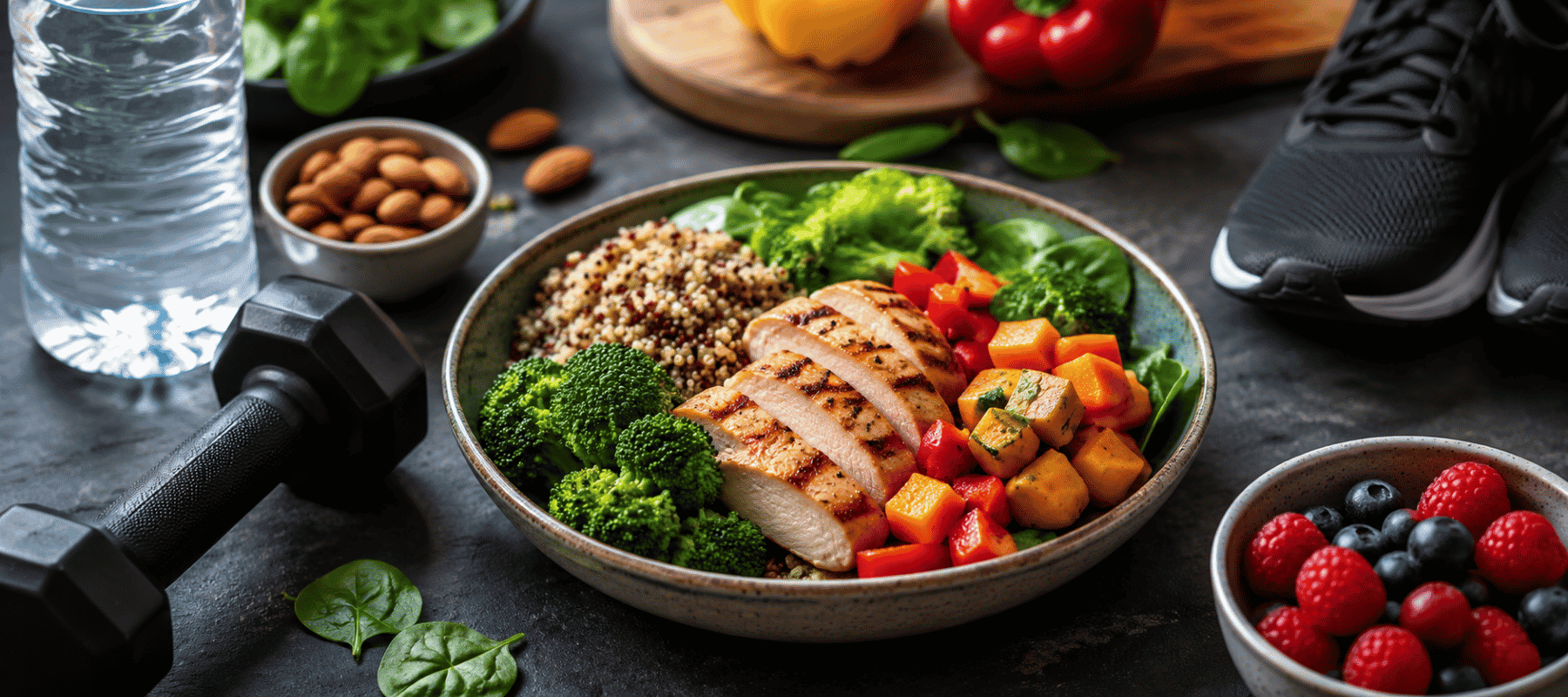
Getting stronger, improving endurance, or staying active is not only about exercise. What you eat each day has a direct impact on how your body performs, recovers, and adapts to training. A balanced diet provides the fuel your body needs to stay energized and perform efficiently during workouts.
The Link Between Nutrition and Fitness
Your body relies on nutrients to power movement, repair muscles, and maintain stamina. Without proper nutrition, even the best workout routine can feel exhausting and less effective.
Good daily eating habits help support:
- Steady energy levels
- Muscle recovery
- Strength and endurance
- Focus during exercise
- Overall physical wellness
When nutrition is ignored, workouts may feel harder, recovery may slow down, and progress can become more difficult.
Carbohydrates Help Fuel Performance
Carbohydrates are one of the body’s main energy sources. During exercise, your body uses stored carbohydrates for fuel, especially during intense training sessions.
Nutritious carbohydrate sources include:
- Whole grains
- Fruits
- Oats
- Brown rice
- Sweet potatoes
Eating enough carbohydrates can help support stamina and maintain energy throughout workouts.
Protein Supports Recovery and Muscle Health
Exercise places stress on muscles, and protein helps repair and rebuild them afterward. Consuming enough protein daily supports muscle maintenance and recovery.
Common protein-rich foods include:
- Eggs
- Yogurt
- Lentils
- Fish
- Chicken
- Cottage cheese
- Protein supplements
Balanced protein intake can help the body recover more effectively after training.
Healthy Fats Support Overall Wellness
Healthy fats are important for hormone balance, long-lasting energy, and general health. Including healthy fats in your meals can support an active lifestyle.
Good sources include:
- Nuts
- Seeds
- Olive oil
- Avocados
- Nut butters
Moderate fat intake helps maintain overall nutritional balance.
Hydration Plays a Major Role
Water is essential for physical performance. Proper hydration supports body temperature regulation, muscle function, and nutrient transport.
Low hydration levels may lead to:
- Fatigue
- Muscle cramps
- Reduced endurance
- Poor concentration
Drinking enough water throughout the day can help improve exercise performance and recovery.
Meal Timing Can Make a Difference
Eating at the right time may help improve workout quality and recovery.
Before Exercise
A light meal or snack before training can provide energy and help maintain focus.
Examples include:
- Banana with peanut butter
- Oatmeal with fruit
- Yogurt with granola
After Exercise
Post-workout meals help restore energy and support muscle recovery.
Good options include:
- Protein shakes
- Rice with lean protein
- Eggs and toast
- Fruit with yogurt
Vitamins and Minerals Matter Too
Micronutrients support many important functions in the body, including muscle movement and energy production.
Important nutrients for active individuals include:
- Iron
- Calcium
- Magnesium
- Potassium
- Vitamin D
Eating a variety of nutrient-rich foods can help support overall fitness and wellness.
Consistency Leads to Better Results
Healthy eating does not need to be perfect. Small, consistent habits often make the biggest difference over time.
Maintaining balanced nutrition daily may help improve:
- Workout performance
- Recovery speed
- Energy levels
- Long-term fitness progress