


Introduction
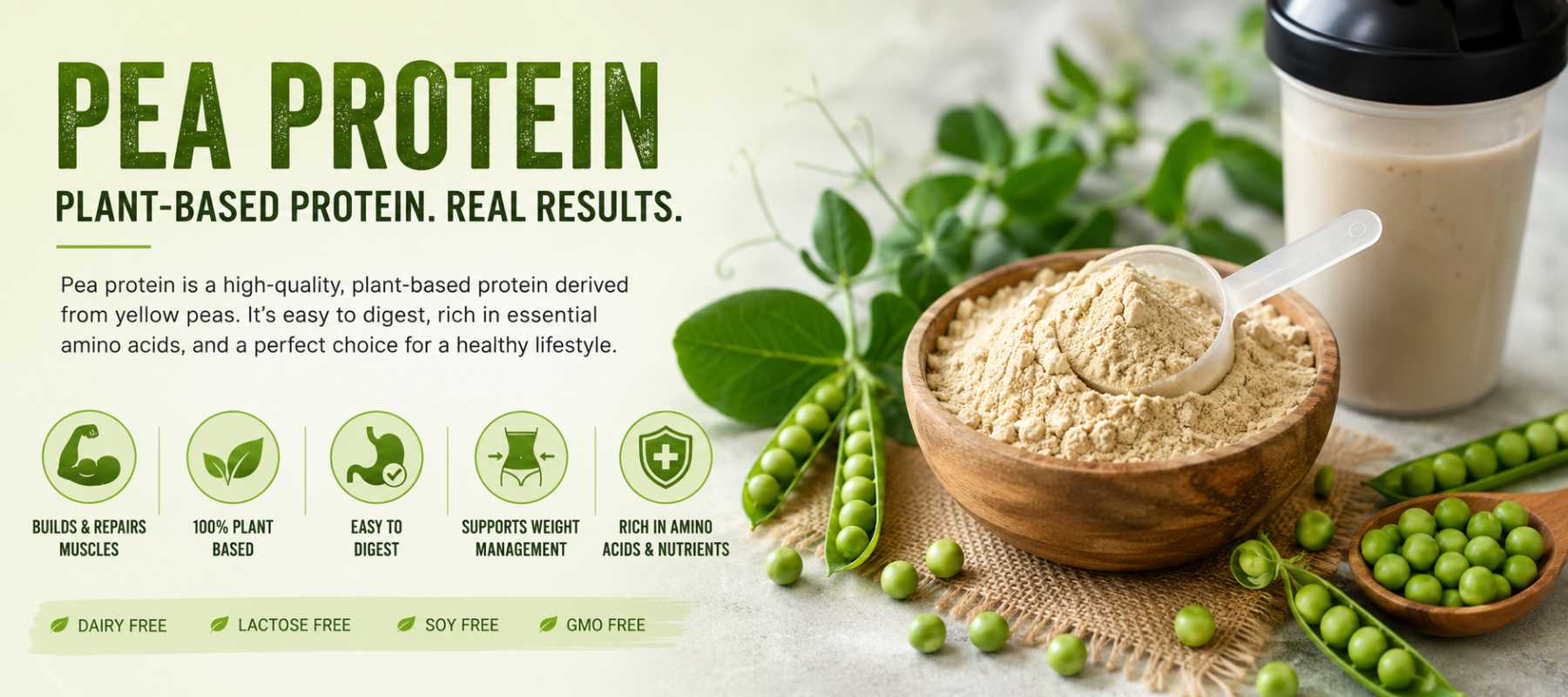
As more people embrace healthier lifestyles and plant-based eating habits, pea protein has become a popular nutritional choice. Extracted from yellow peas, this high-quality protein source offers an effective way to support fitness goals, recovery, and overall wellness without relying on dairy or animal-based ingredients.
Whether you’re an athlete, fitness enthusiast, or simply looking to increase your daily protein intake, pea protein can be a valuable addition to your routine.
Understanding Pea Protein
Pea protein is made by isolating the protein found in yellow split peas. Through a filtration process, most of the starch and fiber are removed, resulting in a concentrated protein powder rich in essential nutrients.
Known for its balanced amino acid profile and excellent digestibility, pea protein has become one of the leading plant-based protein options available today.
Why Pea Protein Is Gaining Popularity
Supports Muscle Development
Protein plays a crucial role in repairing and building muscle tissue. Pea protein contains important amino acids that help support muscle recovery after workouts and contribute to strength development when combined with regular exercise.
A Great Alternative to Dairy-Based Proteins
For those who avoid dairy products, pea protein provides a convenient and effective solution. It’s naturally free from lactose and suitable for vegan and vegetarian diets.
Gentle on the Digestive System
Many individuals find pea protein easier to digest compared to some traditional protein sources. Its plant-based nature makes it a preferred option for people with sensitive digestion.
Helps You Feel Fuller Longer
Protein-rich foods can contribute to satiety, helping you stay satisfied between meals. Adding pea protein to your diet may support healthier eating habits by reducing unnecessary snacking.
Supports Active Lifestyles
Whether you’re training in the gym, participating in sports, or maintaining an active daily routine, pea protein can help meet your body’s increased protein requirements.
Nutritional Advantages of Pea Protein
Pea protein offers several nutritional benefits, including:
- High protein concentration
- Naturally dairy-free
- Rich source of essential amino acids
- Contains iron and other beneficial nutrients
- Low in sugar and fat
- Suitable for plant-based diets
These qualities make it a practical choice for a wide range of dietary preferences.
Who Should Consider Pea Protein?
Pea protein can be beneficial for:
- Athletes and gym-goers
- Vegans and vegetarians
- Individuals with lactose intolerance
- Busy professionals seeking convenient nutrition
- People looking to maintain lean muscle mass
- Anyone aiming to increase daily protein intake
Simple Ways to Add Pea Protein to Your Diet
Blend It Into Smoothies
Mix pea protein with fruits, vegetables, and your favorite milk alternative for a quick and nutritious shake.
Upgrade Your Breakfast
Add a scoop to oatmeal, pancakes, or smoothie bowls for a protein-packed start to the day.
Use It in Baking
Incorporate pea protein into muffins, protein bars, cookies, or energy bites to boost their nutritional value.
Create Healthy Snacks
Combine pea protein with nuts, seeds, and natural ingredients to prepare convenient, protein-rich snacks.
Selecting a Quality Pea Protein Supplement
When evaluating pea protein products, consider:
- Protein content per serving
- Ingredient transparency
- Minimal added sugars
- Quality testing standards
- Smooth texture and taste
- Absence of unnecessary additives
Choosing a well-formulated product can help ensure a better nutritional experience.