


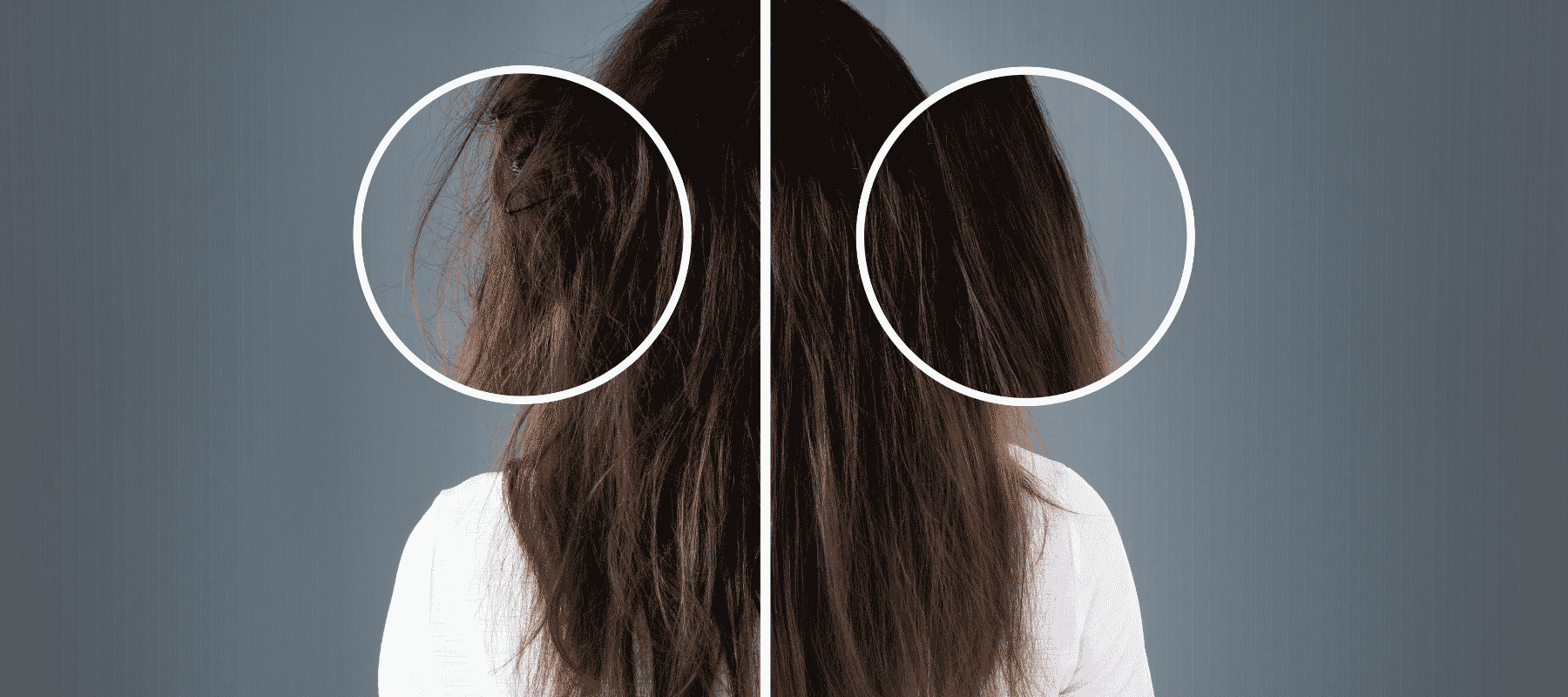
Beautiful, healthy hair is often a reflection of overall well-being. While shampoos, conditioners, and styling products can improve appearance, long-term hair health depends largely on proper nutrition, lifestyle choices, and daily self-care habits. Nourishing your body from within can help support stronger, shinier, and more resilient hair.
Why Hair Health Matters
Hair growth occurs in cycles and relies on a steady supply of nutrients to support healthy follicles. Factors such as poor nutrition, dehydration, stress, lack of sleep, and environmental exposure can impact the quality, strength, and appearance of your hair over time.
Nutrients That Support Healthy Hair
Protein: The Building Block of Hair
Hair strands are primarily made of keratin, a structural protein. Consuming enough protein helps provide the amino acids needed for healthy hair growth and maintenance.
Good sources include:
- Eggs
- Fish
- Chicken
- Dairy products
- Lentils
- Chickpeas
- Soy-based foods
Biotin for Hair Strength
Biotin is a B-vitamin that supports healthy hair structure and may help maintain strong, healthy-looking strands.
Natural sources:
- Nuts
- Seeds
- Eggs
- Whole grains
- Sweet potatoes
Iron for Follicle Support
Iron helps transport oxygen throughout the body, including to hair follicles. Adequate iron intake is important for maintaining healthy hair growth.
Iron-rich foods:
- Spinach
- Lentils
- Lean meats
- Pumpkin seeds
- Tofu
Zinc for Growth and Repair
Zinc contributes to tissue repair and helps support the normal functioning of hair follicles.
Sources include:
- Nuts
- Seeds
- Legumes
- Whole grains
- Seafood
Omega-3 Fatty Acids
These healthy fats help nourish the scalp and support overall hair wellness.
Best sources:
- Fatty fish
- Flaxseeds
- Chia seeds
- Walnuts
Essential Vitamins
Vitamins A, C, D, and E play important roles in maintaining scalp health, supporting collagen production, and protecting cells from oxidative stress.
Food sources:
- Citrus fruits
- Carrots
- Sweet potatoes
- Almonds
- Sunflower seeds
- Green leafy vegetables
Stay Hydrated for Healthier Hair
Hydration is essential for maintaining healthy skin and scalp. Drinking enough water throughout the day helps support nutrient delivery to hair follicles and may improve the overall appearance of hair.
Everyday Habits That Promote Hair Health
Manage Daily Stress
High stress levels can affect the natural hair growth cycle. Incorporating activities such as exercise, meditation, or spending time outdoors can help support overall wellness.
Get Consistent Sleep
Quality sleep allows the body to repair and regenerate. Adequate rest supports healthy cellular processes, including those involved in hair growth.
Limit Excessive Heat Styling
Frequent use of hair dryers, straighteners, and curling tools can weaken hair over time. Reducing heat exposure can help minimize damage and breakage.
Avoid Frequent Chemical Treatments
Repeated coloring, bleaching, or chemical processing may impact hair strength and elasticity. Giving hair time to recover between treatments can help maintain healthier strands.
Care for Your Scalp
A healthy scalp provides the foundation for healthy hair. Gentle cleansing and proper scalp care can help remove buildup and maintain a balanced environment for hair growth.
Hair-Friendly Foods to Include in Your Diet
Adding nutrient-rich foods to your daily meals can support stronger and healthier hair:
- Eggs
- Salmon
- Greek yogurt
- Spinach
- Berries
- Avocados
- Sweet potatoes
- Almonds
- Walnuts
- Lentils
A well-balanced diet containing a variety of these foods can help provide the nutrients needed for optimal hair health.
Habits That Can Negatively Impact Hair
Some lifestyle factors may affect hair quality and growth, including:
- Restrictive dieting
- Poor nutrition
- Chronic stress
- Inadequate sleep
- Smoking
- Excessive heat styling
- Frequent chemical treatments
Making positive changes in these areas can contribute to healthier-looking hair over time.