


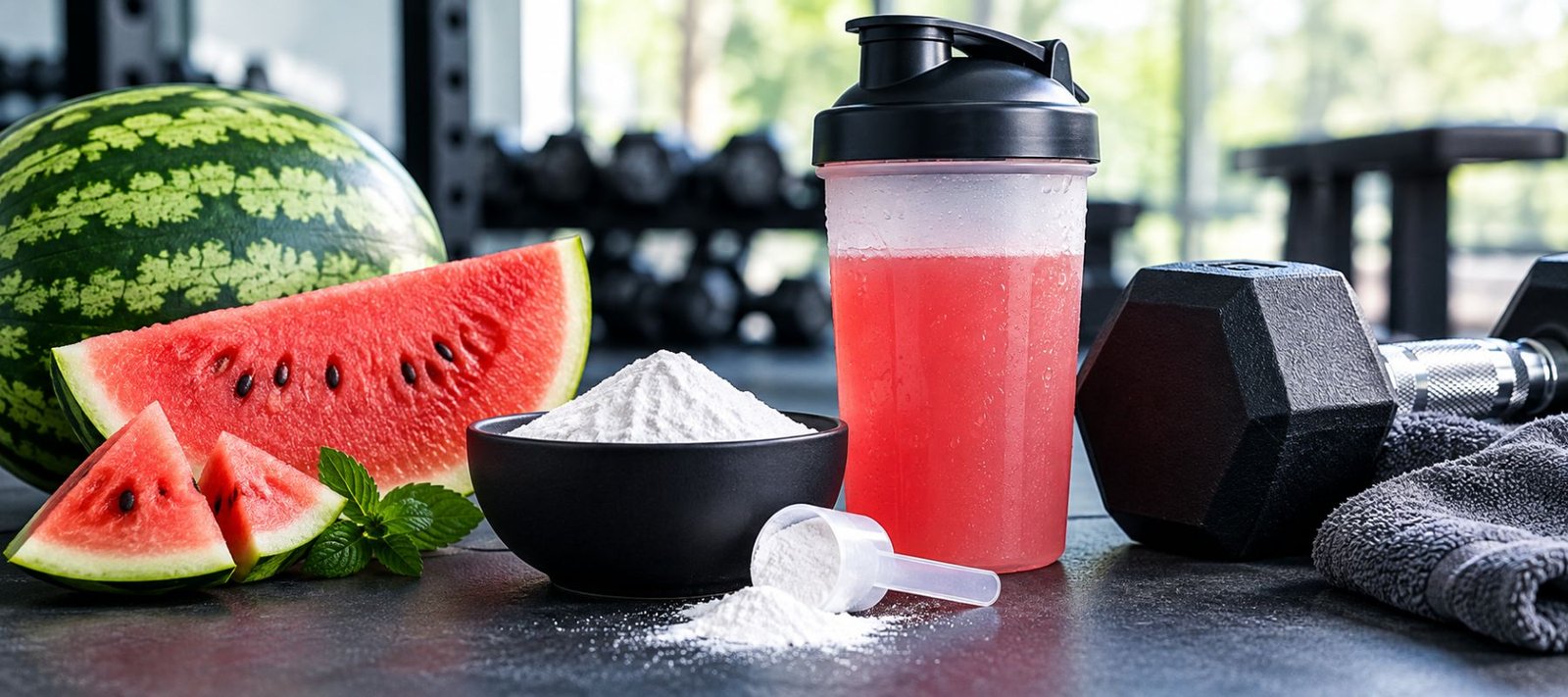
Looking to understand the science behind popular pre-workout supplements? L-citrulline is an amino acid that has gained attention in sports nutrition for its role in blood circulation, nitric oxide production, and potential exercise benefits.
From gym enthusiasts to endurance athletes, many people are interested in how citrulline may fit into a fitness routine. But what does it actually do, and how much can it contribute to workout performance?
Let’s explore its key benefits, natural sources, supplementation tips, and important safety considerations.
What Is L-Citrulline?
L-citrulline is a naturally occurring amino acid produced by the human body. It is also found in foods such as watermelon.
One of its main functions is helping the body produce L-arginine, an amino acid involved in the production of nitric oxide. Nitric oxide helps relax blood vessels and supports normal blood circulation.
Because of this process, citrulline is frequently included in pre-workout formulas designed for people interested in exercise performance and muscle pumps.
Two common forms are:
- L-Citrulline: Provides citrulline in its standalone form.
- Citrulline Malate: Combines citrulline with malate and is commonly used in sports supplements.
Both forms are popular, although research has not conclusively established that one consistently delivers better exercise results than the other.
5 Potential Benefits of Citrulline
1. Promotes Nitric Oxide Production
Citrulline helps increase the availability of arginine, which the body uses to produce nitric oxide.
Nitric oxide supports the relaxation of blood vessels and helps regulate circulation. This is one of the primary reasons citrulline is studied for its potential role in exercise and cardiovascular health.
2. May Support Resistance Training
Some studies suggest citrulline supplementation may help people complete additional repetitions during certain resistance-training exercises.
However, results differ between studies, and citrulline does not consistently improve strength or overall athletic performance. Its effects may depend on the individual, training programme, and supplementation protocol.
3. May Help with Post-Workout Soreness
Muscle soreness can occur after intense exercise, particularly when performing unfamiliar movements or increasing training volume.
Some research has explored whether citrulline can reduce perceived muscle soreness following exercise. Although early findings are promising in some settings, the evidence remains limited and inconsistent.
Adequate sleep, balanced nutrition, hydration, and appropriate rest remain essential for recovery.
4. Contributes to Normal Nitrogen Metabolism
Citrulline plays a role in the urea cycle, a process that helps the body remove excess nitrogen generated during protein metabolism.
This is an important metabolic function, although it should not be confused with a proven benefit for muscle growth or sports performance from taking additional citrulline.
5. May Support the Muscle Pump Effect
The muscle pump is the temporary feeling of fullness experienced during resistance training.
Citrulline is often included in pre-workout products because of its relationship with nitric oxide and blood vessel function. Some users may notice a difference, but the response varies, and a stronger pump does not necessarily mean greater muscle growth.
How Does Citrulline Work in the Body?
Citrulline supports several natural processes, including the pathway involved in nitric oxide production.
Here’s how the process works:
- The body absorbs citrulline from food or supplements.
- The kidneys convert citrulline into arginine.
- Arginine is used to produce nitric oxide.
- Nitric oxide helps regulate blood vessel relaxation and circulation.
This process explains the scientific interest in citrulline as a sports nutrition ingredient. However, improved circulation does not automatically guarantee better exercise performance.
When Is the Best Time to Take Citrulline?
People commonly take citrulline before exercise when using it as part of a pre-workout routine.
Some research protocols administer it around 30–60 minutes before training, but the ideal timing and amount depend on the formulation and intended purpose.
For responsible use:
- Follow the manufacturer’s serving instructions.
- Assess your individual tolerance before regular use.
- Avoid exceeding the recommended serving.
- Check the ingredient list when combining multiple supplements.
- Maintain proper hydration and a balanced diet.
There is no single dosage that is appropriate for everyone. Research doses vary according to the form of citrulline and the outcome being studied.
Does Citrulline Have Side Effects?
Many healthy adults tolerate citrulline, but some people may experience unwanted effects, especially at higher doses.
Potential side effects include:
- Nausea or stomach discomfort
- Abdominal bloating
- Diarrhoea
Citrulline may also affect blood pressure. People taking blood pressure medication, nitrate medications, or other products that influence blood vessel function should seek medical advice before using it.
If you have an existing medical condition, are pregnant or breastfeeding, or take prescription medication, consult a qualified healthcare professional before starting supplementation.
Which Foods Naturally Contain Citrulline?
Watermelon is one of the best-known natural sources of citrulline. The amino acid occurs in the flesh and rind of the fruit.
Including watermelon and other nutritious plant foods in your diet can contribute to overall dietary variety. However, food sources may not provide the same amounts used in certain sports nutrition studies.
Supplements are optional, and a well-balanced diet should remain the foundation of your fitness plan.
Citrulline vs. Other Popular Fitness Supplements
Understanding how citrulline compares with other ingredients can help you choose supplements based on your goals.
Citrulline: Involved in arginine availability and nitric oxide production.
Creatine: Helps replenish energy during high-intensity activity and has strong evidence supporting improvements in strength and training performance.
Caffeine: Can increase alertness and improve certain aspects of exercise performance.
Beta-alanine: Helps increase muscle carnosine levels over time and may benefit repeated or sustained high-intensity efforts.
Each ingredient works differently. The right choice depends on your goals, health, training demands, and tolerance.
Who Might Consider Citrulline Supplementation?
Citrulline may interest people who:
- Perform regular resistance training.
- Participate in structured athletic training.
- Want to understand the ingredients in pre-workout supplements.
- Are exploring evidence-based approaches to sports nutrition.
Nevertheless, citrulline is not essential for achieving fitness goals. Beginners and experienced athletes alike can benefit from consistent training, adequate protein intake, sufficient calories, and quality sleep.