

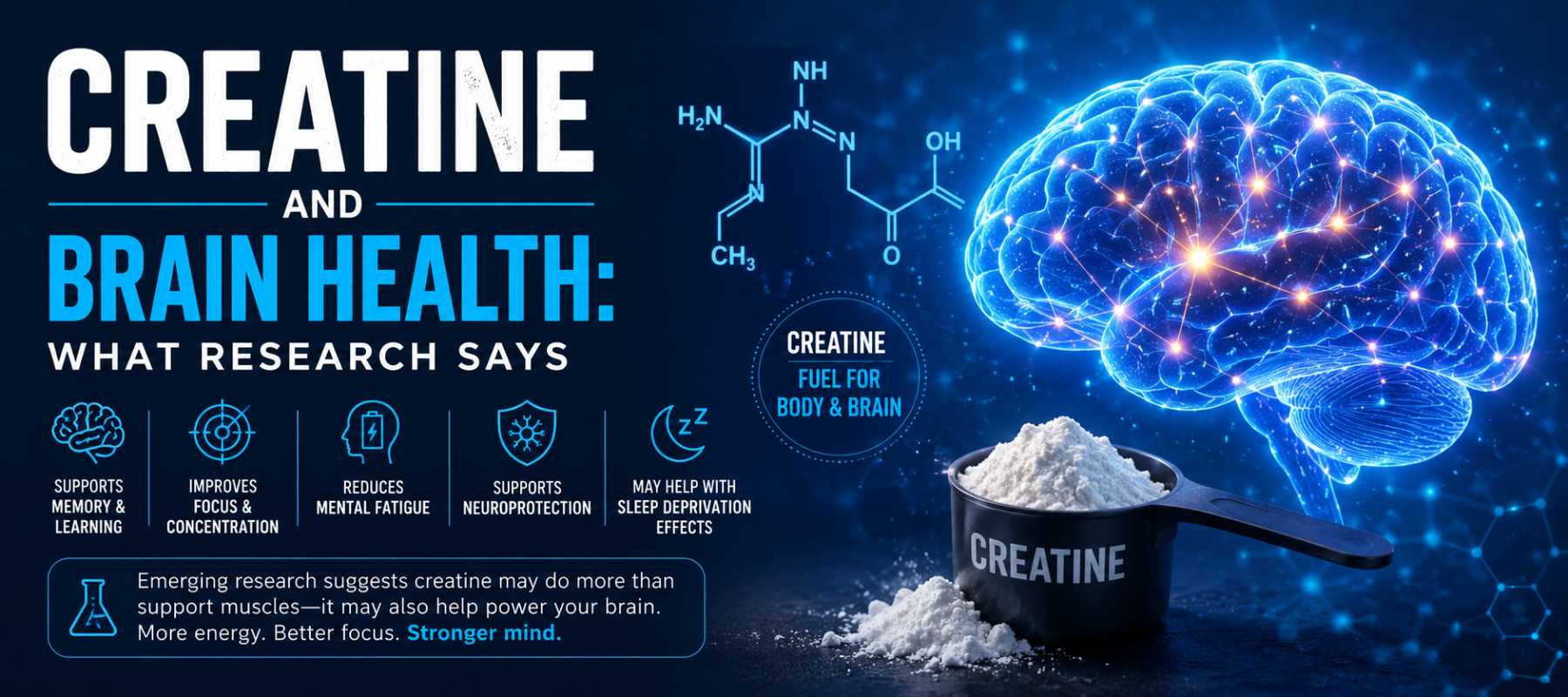
Creatine is often associated with strength training, muscle growth, and athletic performance. While its benefits in sports nutrition are well established, researchers are now exploring another exciting area—its impact on brain health. Emerging studies suggest that creatine may play a role in supporting cognitive performance, mental energy, and overall neurological function.
This article explores how creatine works within the brain and what current scientific evidence reveals about its potential cognitive benefits.
What Is Creatine?
Creatine is a naturally occurring substance produced by the body from amino acids. It is primarily stored in muscles, but a portion is also found in the brain. In addition to natural production, creatine can be obtained through dietary sources such as meat, fish, and poultry.
Inside the body, creatine is converted into phosphocreatine, a compound that helps regenerate adenosine triphosphate (ATP). ATP serves as the primary energy currency for cells and is essential for numerous bodily processes, including those that support brain activity.
Because the brain requires a constant and substantial supply of energy, maintaining adequate ATP levels is important for functions such as memory, focus, learning, and decision-making.
The Role of Creatine in Brain Function
Although the brain represents only a small percentage of total body weight, it consumes a significant amount of the body’s energy. Creatine helps replenish energy reserves, which may assist the brain in functioning efficiently, especially during periods of intense mental effort.
Researchers suggest that creatine may contribute to brain health by:
- Supporting energy production within brain cells
- Helping maintain cognitive performance during mental stress
- Reducing the effects of oxidative damage
- Promoting healthy neurological activity
- Assisting the brain during periods of fatigue and sleep loss
Creatine and Cognitive Performance
Scientists have conducted numerous studies to determine whether creatine supplementation can positively influence mental performance.
Memory and Mental Processing
Research indicates that creatine may support certain aspects of cognition, particularly among individuals who consume lower amounts of creatine-rich foods. Vegetarians and vegans, for example, may experience greater benefits due to lower dietary intake.
Potential improvements observed in some studies include:
- Enhanced working memory
- Faster information processing
- Better reasoning abilities
- Improved learning performance
While findings are encouraging, results are not always consistent, and additional research is needed to fully understand the extent of these benefits.
Combating Mental Fatigue
Mental exhaustion can affect concentration, productivity, and overall cognitive efficiency. Some evidence suggests that creatine may help sustain mental performance during demanding tasks by supporting the brain’s energy requirements.
Individuals facing prolonged periods of focus, study, or cognitive workload may potentially benefit from improved energy availability in brain cells.
Creatine and Sleep Loss
Lack of sleep can impair attention, reaction time, memory, and mood. Researchers are investigating whether creatine can help reduce some of the cognitive challenges associated with sleep deprivation.
Because creatine supports ATP regeneration, it may help maintain brain energy levels when sleep is limited. Some early findings suggest it could help preserve certain aspects of cognitive performance during short-term sleep restriction.
However, creatine should not be viewed as a replacement for proper sleep, which remains essential for overall health and cognitive function.
Potential Protective Effects on the Brain
Beyond cognitive performance, researchers are also exploring creatine’s potential neuroprotective properties.
Preliminary studies suggest creatine may help:
- Strengthen cellular resilience
- Reduce oxidative stress within brain tissue
- Support healthy mitochondrial function
- Maintain efficient brain energy metabolism
These findings have generated interest in the possible role of creatine in supporting long-term neurological health. Nevertheless, more large-scale human studies are necessary before definitive conclusions can be made.
Creatine and Healthy Aging
As people grow older, changes in cognitive function and muscle mass naturally occur. Scientists are examining whether creatine supplementation can help support both physical and mental performance during the aging process.
Some research has linked creatine use with improvements in:
- Memory retention
- Cognitive processing speed
- Muscular strength
- Overall daily functioning
While these results are promising, additional studies are needed to better understand the long-term benefits for older adults.
Who May Benefit the Most?
Current evidence suggests that certain groups may be more likely to experience cognitive benefits from creatine supplementation, including:
- Vegetarians and vegans
- Older adults
- Individuals exposed to high levels of mental stress
- People experiencing temporary sleep deprivation
- Students and professionals performing demanding cognitive tasks
Individual responses may vary depending on factors such as diet, lifestyle, and existing creatine levels.
Safety and Considerations
Creatine monohydrate is among the most researched dietary supplements available today. Studies consistently indicate that it is safe for healthy adults when used according to recommended guidelines.
To support safe use, individuals should:
- Maintain proper hydration
- Follow appropriate dosage recommendations
- Seek medical advice if they have existing health concerns
For most healthy individuals, creatine is well tolerated and serious adverse effects are uncommon.