


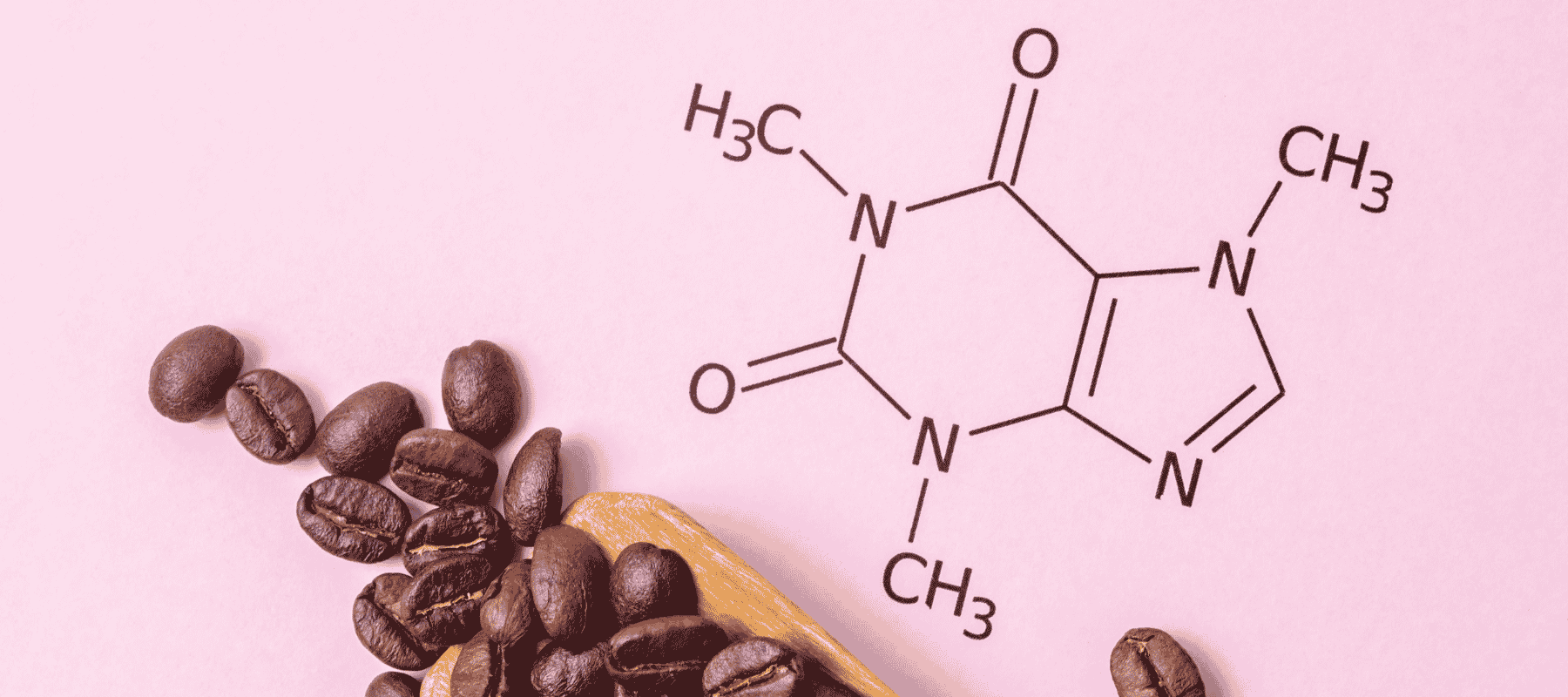
Caffeine is one of the most commonly used stimulants across the globe. Naturally present in beverages like coffee and tea, as well as in supplements, it’s widely known for increasing alertness, boosting energy, and enhancing overall performance. But what makes caffeine so effective?
Understanding Caffeine
Caffeine is a natural substance that activates the brain and nervous system. It works by blocking adenosine, the chemical responsible for making you feel tired, helping you stay awake and alert.
How It Affects Your Body
Once consumed, caffeine is rapidly absorbed and starts working within minutes. Its key effects include:
- Reducing feelings of fatigue
- Increasing mental alertness
- Enhancing mood by stimulating dopamine
- Supporting better physical output
Key Benefits of Caffeine
1. Increases Energy
Helps you stay active and reduces tiredness throughout the day.
2. Sharpens Focus
Improves concentration, making it easier to handle tasks efficiently.
3. Boosts Workout Performance
Raises adrenaline levels, helping you push harder during exercise.
4. Aids in Fat Loss
Supports metabolism and encourages fat utilization.
5. Improves Mood
May help you feel more motivated and mentally refreshed.
When to Take Caffeine
- Morning hours: To start your day with energy
- Before workouts: Around 30–45 minutes prior
- Avoid late intake: To ensure proper sleep quality
Recommended Intake
A daily consumption of 200–400 mg is generally safe for most people. However, individual tolerance can vary.
Potential Side Effects
Taking too much caffeine can cause:
- Trouble sleeping
- Nervousness or anxiety
- Rapid heartbeat
- Dependence over time
Who Should Be Careful?
- Pregnant individuals
- Those with heart-related issues
- People sensitive to caffeine
- Anyone experiencing sleep problems
Common Sources of Caffeine
- Coffee
- Tea (green & black)
- Dark chocolate
- Energy beverages