


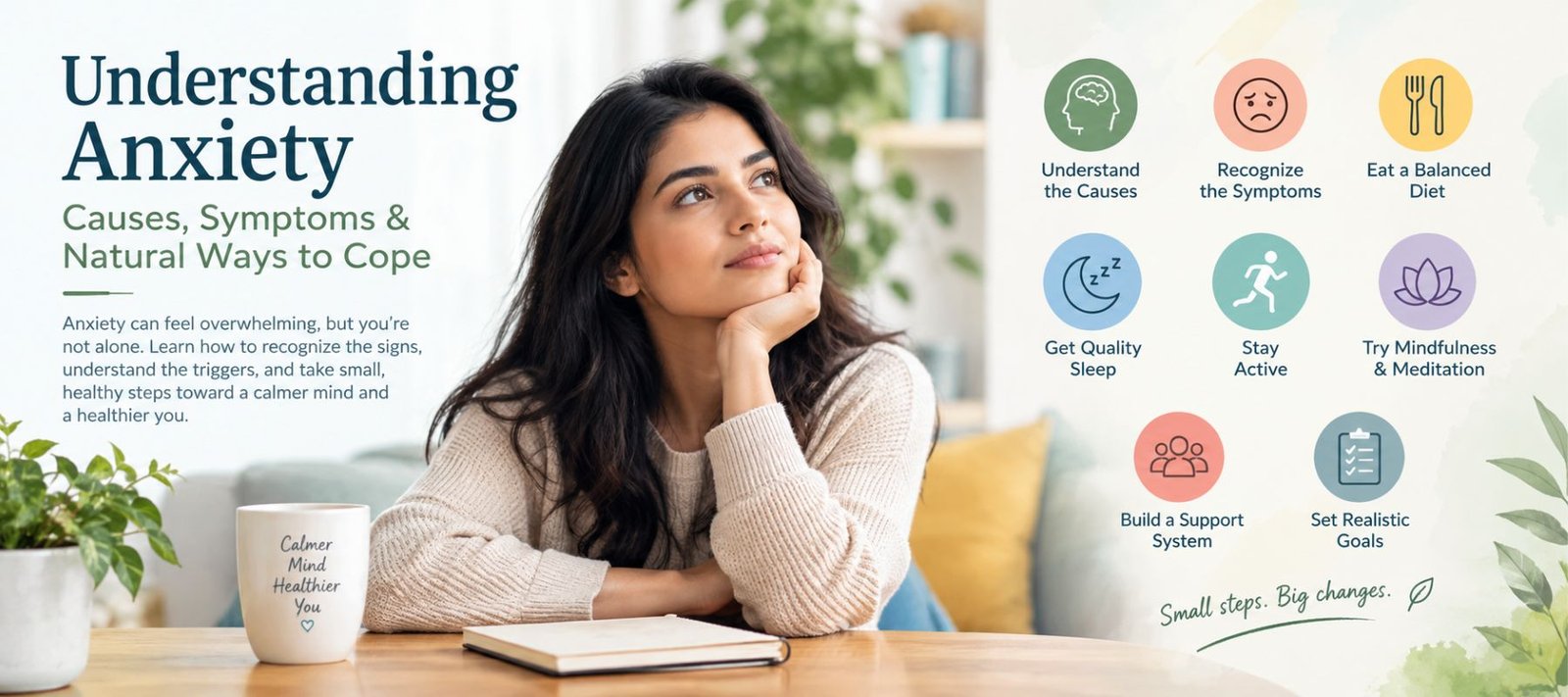
Modern life can be demanding. Busy schedules, work-related pressure, personal responsibilities, and uncertainty about the future can sometimes leave us feeling worried or emotionally exhausted. While occasional stress is a normal part of life, ongoing worry may indicate anxiety that needs attention.
Learning how anxiety affects your mind and body can help you develop healthier habits, manage everyday stress, and recognize when professional support may be beneficial.
What Is Anxiety and How Does It Affect You?
Anxiety is the body’s natural response to perceived stress or potential danger. It can cause feelings of fear, nervousness, uneasiness, or excessive worry about situations that have not yet happened.
Although occasional anxiety is common, persistent or intense symptoms may interfere with sleep, concentration, relationships, and daily activities.
For some people, anxiety mainly involves racing thoughts and constant worrying. Others may experience physical symptoms such as muscle tension, sweating, a rapid heartbeat, or digestive discomfort.
Recognizing these experiences is an important step toward better mental well-being.
What Can Trigger Anxiety?
Anxiety can develop for several reasons, and different factors may affect each person differently.
- Daily stress: Work commitments, financial concerns, and family responsibilities can contribute to emotional strain.
- Sleep difficulties: Inadequate or irregular sleep may increase irritability and make stressful situations harder to manage.
- Lifestyle habits: High caffeine intake, inconsistent eating patterns, and limited physical activity may worsen symptoms in some people.
- Life transitions: Changes in employment, relationships, living arrangements, or personal circumstances can create uncertainty.
- Health-related factors: Certain medical conditions, medications, family history, and mental health concerns may contribute to anxiety.
Understanding your personal triggers can help you identify useful coping strategies.
Signs and Symptoms You Should Recognize
Anxiety can affect emotional, mental, and physical health.
Emotional and psychological signs
- Frequent worrying or overthinking
- Feeling restless or constantly on edge
- Difficulty concentrating on everyday tasks
- Irritability and nervousness
- Fear of uncertain situations
Physical signs
- Racing heartbeat
- Sweating or trembling
- Muscle tightness
- Headaches
- Digestive discomfort
- Difficulty sleeping
Symptoms vary from person to person. If they occur frequently or interfere with your quality of life, consider consulting a healthcare professional.
7 Everyday Habits That May Help You Manage Anxiety
Healthy routines can support emotional balance and help you cope with everyday stress. They are not a replacement for professional treatment when treatment is needed.
1. Make Time for Relaxation
Slow breathing, gentle stretching, and quiet breaks can help you pause during stressful moments. Try breathing comfortably and slowly for a few minutes without forcing your breath.
You can also practise grounding by focusing on the sights, sounds, and sensations around you.
2. Choose Balanced, Nourishing Meals
Your body needs a variety of nutrients to maintain normal energy levels and support overall health. Aim to include vegetables, fruits, whole grains, pulses, nuts, seeds, and suitable protein sources in your daily meals.
A balanced diet supports general well-being, although no particular food can cure anxiety on its own.
3. Establish a Consistent Sleep Routine
Sleep and emotional well-being are closely connected. Going to bed at a regular time, reducing screen use before sleep, and creating a comfortable bedroom environment may improve sleep quality.
Limiting caffeine later in the day can also be helpful, particularly if you experience restlessness or difficulty sleeping.
4. Include Movement in Your Daily Routine
Physical activity is a practical way to support both physical and mental health. Walking, cycling, yoga, swimming, or dancing can be enjoyable options.
Choose an activity that suits your abilities and schedule. Even small, consistent steps can help you establish a sustainable routine.
5. Practise Mindfulness
Mindfulness involves paying attention to the present moment without judging every thought or feeling.
You could begin with a short guided meditation, a few minutes of quiet reflection, or mindful walking. With practice, these activities may help you respond more calmly to stressful experiences.
6. Stay Connected With Others
Spending time with supportive people can help reduce feelings of isolation. Talking openly with a trusted friend, family member, or counsellor may provide emotional relief and a fresh perspective.
Asking for help is a positive step toward taking care of yourself.
7. Break Tasks Into Manageable Steps
Large responsibilities can feel overwhelming when everything demands attention at once. Try prioritizing important tasks, setting realistic goals, and taking short breaks between activities.
Allow yourself time to rest and recognize your progress rather than expecting perfection.
The Connection Between Nutrition and Mental Well-Being
A nutritious eating pattern supports overall health, including the normal functioning of the brain and nervous system. Although nutrition alone cannot treat an anxiety disorder, healthy eating habits can form part of a broader self-care routine.
Consider these practical tips:
- Eat regular meals and avoid frequently skipping breakfast or other meals.
- Include protein sources such as beans, lentils, eggs, dairy products, or suitable alternatives.
- Choose a variety of colourful fruits and vegetables.
- Add nuts and seeds to meals or snacks.
- Stay hydrated throughout the day.
- Pay attention to how caffeine affects your sleep, mood, and energy.
Be cautious with supplements marketed for anxiety relief. Their effectiveness varies, and some may interact with medications. Consult a qualified healthcare professional before using them for symptom management.
When Is It Time to Seek Professional Support?
Self-care can be helpful, but persistent anxiety should not be ignored. Consider seeking professional guidance if worry becomes difficult to control, affects your relationships or work, disrupts your sleep, or causes you to avoid normal activities.
Treatment options may include cognitive behavioural therapy (CBT), other forms of psychotherapy, and medication when appropriate. A healthcare professional can help you identify the right approach for your circumstances.
If you feel at risk of harming yourself, seek immediate assistance from local emergency services or a crisis support service.