


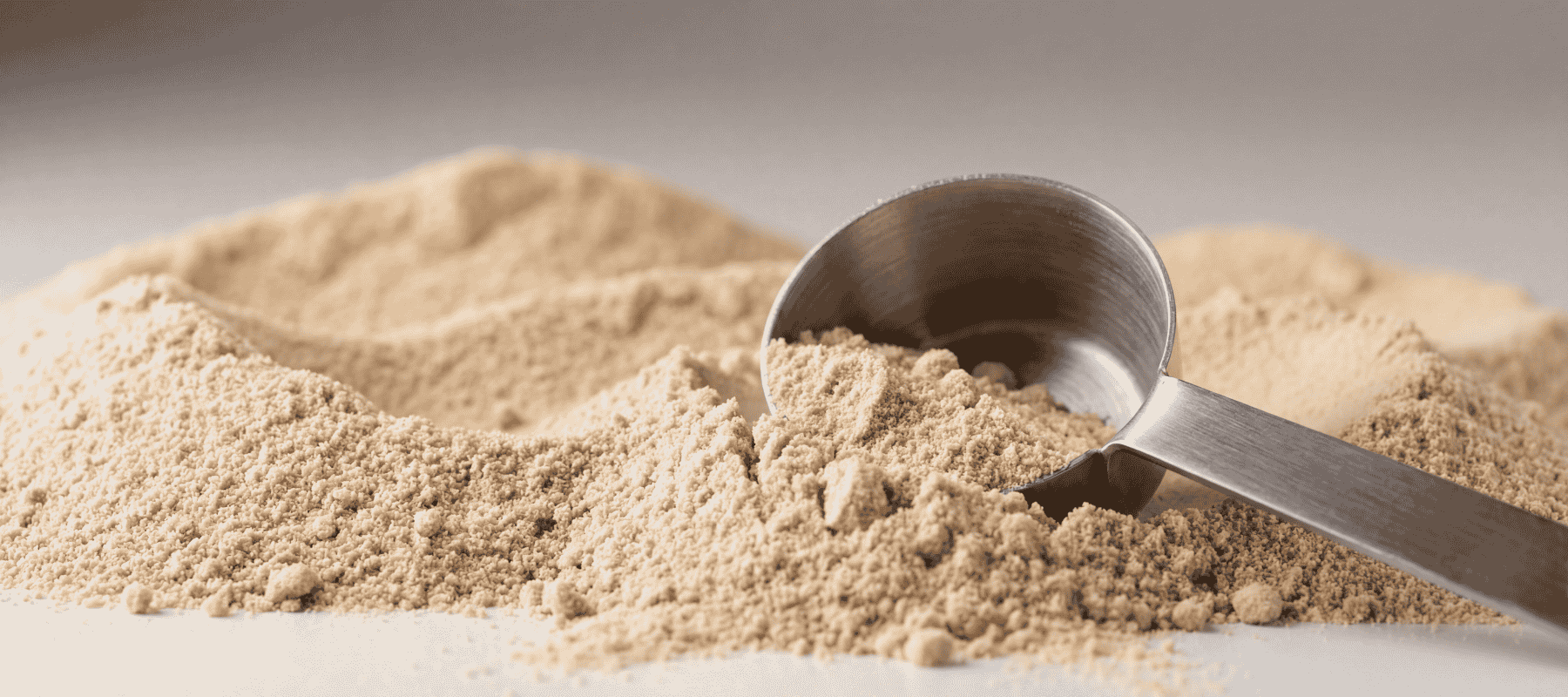
Protein plays a key role in muscle repair, recovery, and overall health. While most people focus on consuming protein during the day or after workouts, many wonder whether taking protein before sleeping is beneficial or harmful.
The truth is—it depends on how and why you’re doing it. Let’s look at the facts.
What Happens to Your Body While You Sleep?
Sleep is not just rest; it’s recovery time. During the night:
- Muscles repair and rebuild
- Hormones involved in recovery are released
- The body works to preserve lean muscle
Providing protein before sleep can support these processes by supplying amino acids when your body needs them most.
Advantages of Taking Protein at Night
1. Improves Overnight Muscle Recovery
Protein consumed before bed supplies nutrients over several hours, supporting muscle repair during sleep. This is especially helpful for people who:
- Train regularly
- Perform strength or resistance workouts
- Exercise in the evening
2. Reduces Muscle Loss
Long gaps without food can cause the body to break down muscle tissue. Protein before sleep may help:
- Protect lean muscle mass
- Support strength maintenance
- Aid recovery during calorie deficits
3. Helps Complete Daily Protein Intake
For those who struggle to hit their daily protein target, a small nighttime serving can be a practical way to:
- Balance daily nutrition
- Stay consistent with fitness goals
When Protein Before Bed May Not Be Ideal
Although protein itself isn’t harmful, poor choices or excess intake can cause issues.
1. Digestive Problems
Large or heavy protein servings late at night may lead to:
- Bloating
- Acid reflux
- Interrupted sleep
Keeping portions light and choosing easy-to-digest sources can help.
2. Extra Calories
Protein still contains calories. Consuming more than your body needs may:
- Slow fat loss
- Cause unwanted weight gain
Timing matters less than total daily intake.
3. Sleep Disturbance
Sugary or heavily flavored protein products before bed may affect sleep quality. Poor sleep can reduce recovery and performance.
Smart Protein Choices Before Sleep
If you decide to consume protein at night, choose options that digest slowly and feel light on the stomach:
- Milk or yogurt
- Cottage cheese
- Plant-based protein blends
- A small protein shake with water
Avoid large meals or processed foods close to bedtime.
Who Can Benefit Most?
Protein before bed may be useful for:
- Athletes and gym enthusiasts
- People training late in the evening
- Those aiming to build or preserve muscle
- Individuals on calorie-controlled diets
For others, it’s optional—not mandatory.
Final Thoughts: Good or Bad?
Protein before bed is generally beneficial when consumed wisely.
✔ Works well if:
- Portions are controlled
- Daily calorie intake is balanced
- It doesn’t disturb sleep
✖ Not recommended if:
- You overeat
- It causes digestive discomfort
- Sleep quality suffers
Ultimately, daily nutrition consistency matters more than timing.