

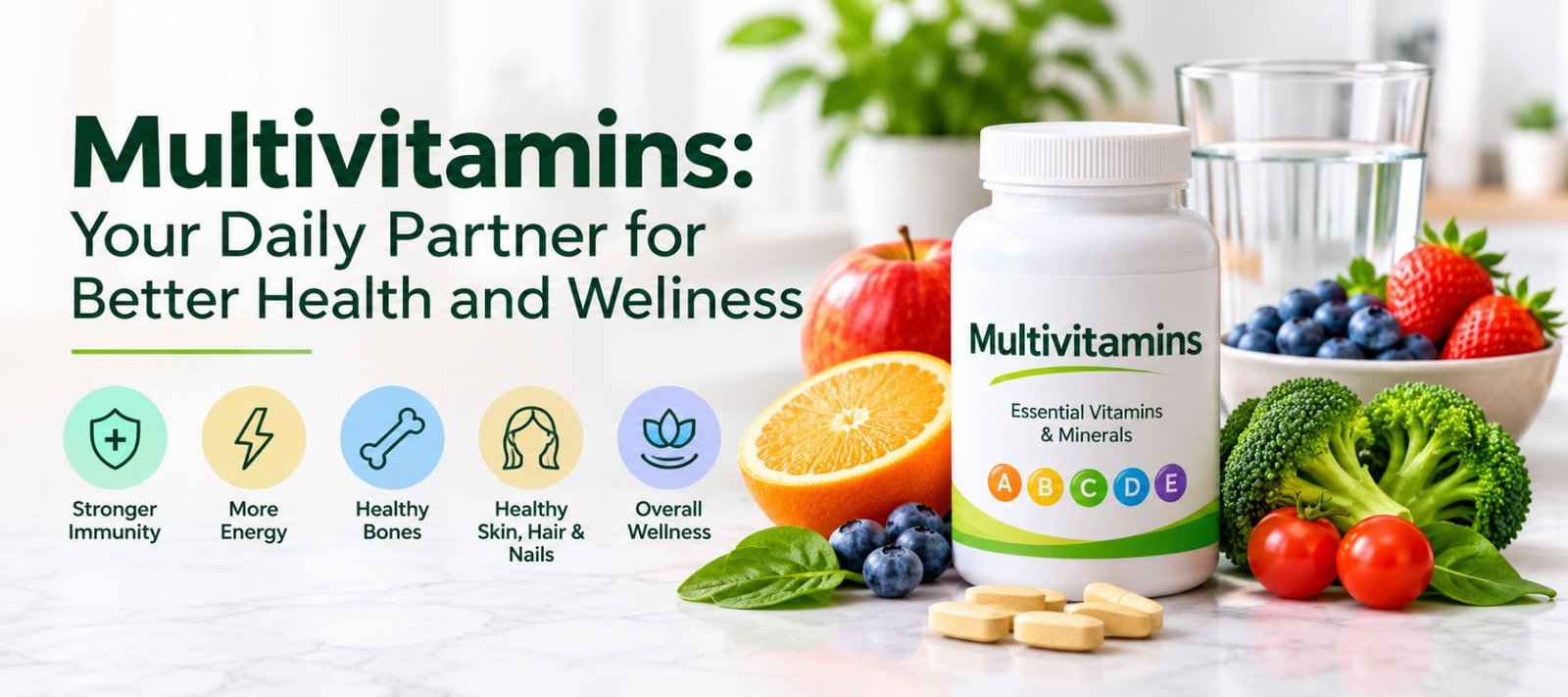
Maintaining good health requires more than just eating enough food. Your body needs a variety of essential vitamins and minerals to perform its daily functions, maintain energy levels, and support overall well-being. However, with busy routines, irregular meals, and changing dietary habits, getting all the necessary nutrients from food alone can sometimes be difficult.
This is where multivitamins can make a difference. These nutritional supplements combine several essential vitamins and minerals in one convenient formulation, helping individuals meet their daily nutritional requirements when their diets fall short.
Let’s explore how multivitamins work, their potential benefits, and how to choose the right supplement for your needs.
What Exactly Are Multivitamins?
Multivitamins are dietary supplements formulated with a combination of vitamins, minerals, and other essential nutrients. They are designed to complement your regular diet and help address possible nutritional deficiencies.
Depending on the formulation, they may contain nutrients such as:
- Vitamin A for normal vision and immune function.
- Vitamin B complex for energy metabolism and nervous system function.
- Vitamin C for collagen formation and immune support.
- Vitamin D for calcium absorption and bone health.
- Vitamin E for antioxidant protection.
- Zinc and magnesium for various essential bodily functions.
Since every formulation is different, checking the nutritional information before purchasing is important.
Why Should You Include Multivitamins in Your Wellness Routine?
A well-balanced diet should always be your primary source of nutrition. However, multivitamins may offer additional nutritional support when certain nutrients are missing from your everyday meals.
Here are five important ways they can contribute to overall wellness.
1. Helps Maintain Normal Immune Function
A healthy immune system depends on several essential nutrients. Vitamin C, vitamin D, vitamin A, and zinc all contribute to normal immune system functioning.
Ensuring adequate intake of these nutrients helps maintain the body’s natural defence mechanisms and supports overall health.
2. Supports Daily Energy Production
Feeling energetic throughout the day requires proper nutrition. B vitamins, including B1, B2, B6, and B12, play important roles in converting carbohydrates, fats, and proteins into energy.
Getting sufficient amounts of these vitamins supports normal metabolism and helps your body carry out everyday activities.
3. Contributes to Strong Bones and Muscles
Bone health is influenced by several nutrients, particularly vitamin D, calcium, magnesium, and vitamin K.
These nutrients support bone maintenance, calcium utilisation, and normal muscle function. Depending on their composition, multivitamins may help supplement your intake of some of these essential nutrients.
4. Promotes Healthy Skin, Hair, and Nails
Good nutrition plays an important role in maintaining healthy skin and supporting normal hair and nail growth.
Biotin, zinc, vitamin C, and vitamin E contribute to different processes involved in maintaining healthy tissues. Adequate nutritional intake can therefore be an important part of a comprehensive personal care routine.
5. Helps Bridge Everyday Nutritional Gaps
Not everyone follows the same dietary pattern. Food preferences, restricted diets, busy lifestyles, and certain health conditions can influence nutritional intake.
Multivitamins can provide additional nutrients to help address dietary gaps when necessary. They are particularly useful when selected according to individual nutritional requirements.
Who Can Consider Taking Multivitamins?
Nutritional requirements vary from person to person. While some individuals can meet their needs through food alone, others may benefit from additional supplementation.
People who may need to consider multivitamins include:
- Working professionals: Those with demanding schedules and inconsistent eating habits.
- Vegetarians and vegans: Individuals who may require additional attention to nutrients such as vitamin B12.
- Older adults: People whose nutritional requirements or nutrient absorption may change with age.
- Individuals with restricted diets: Those who avoid certain food groups.
- People with specific nutritional deficiencies: Individuals who require additional nutrients based on professional medical advice.
Remember that supplements are not necessary for everyone. It is best to assess your nutritional needs before starting one.
How to Select the Right Multivitamin Supplement
With so many formulations available, choosing an appropriate multivitamin can feel confusing. Instead of selecting one based only on its ingredient count, pay attention to the following factors.
1. Check the Nutrient Profile
Review the vitamins and minerals included in the formulation. Choose one that addresses your nutritional requirements rather than simply containing the largest number of ingredients.
2. Understand the Dosage
Check the quantity of each nutrient per serving. Avoid products that provide unnecessarily high amounts of certain vitamins and minerals.
3. Consider Your Age and Lifestyle
Nutritional needs can differ according to age, dietary habits, activity levels, and overall health.
4. Look for Quality Standards
Read the product label carefully and check manufacturing information, ingredient details, quality certifications, and expiry dates.
5. Seek Professional Guidance
If you take medication, have an existing medical condition, or suspect a nutritional deficiency, consult a healthcare professional before choosing a supplement.
When Is the Best Time to Take Multivitamins?
The ideal time to consume multivitamins depends on their ingredients and formulation.
For many people, taking a multivitamin alongside a meal is a convenient option. Food can help with the absorption of fat-soluble vitamins such as A, D, E, and K and may reduce the chances of digestive discomfort.
You should always follow the dosage instructions mentioned on the packaging or provided by your healthcare professional.
Are Daily Multivitamins Suitable for Everyone?
Many multivitamin supplements are formulated for regular use, but that does not mean everyone needs them.
Taking excessive amounts of certain nutrients can lead to unwanted health effects. For example, excessive vitamin A, vitamin D, or iron intake may be harmful.
It is also important to remember that some vitamins and minerals can interact with prescription medications.
For safe supplementation, follow the recommended serving size, avoid combining products with overlapping ingredients, and seek professional advice when needed.
Build a Healthy Lifestyle Alongside Supplementation
Taking multivitamins alone is not enough to maintain good health. Consistent lifestyle habits and a nutritious diet remain the foundation of long-term wellness.
Support your body with these simple practices:
- Eat a variety of fresh fruits and vegetables.
- Include whole grains, nuts, seeds, and protein-rich foods in your meals.
- Drink enough water throughout the day.
- Stay physically active and exercise regularly.
- Maintain a consistent sleep schedule.
- Make time for relaxation and stress management.
- Schedule routine health check-ups.
Combining these habits with appropriate supplementation can help you maintain a more balanced approach to everyday health.