

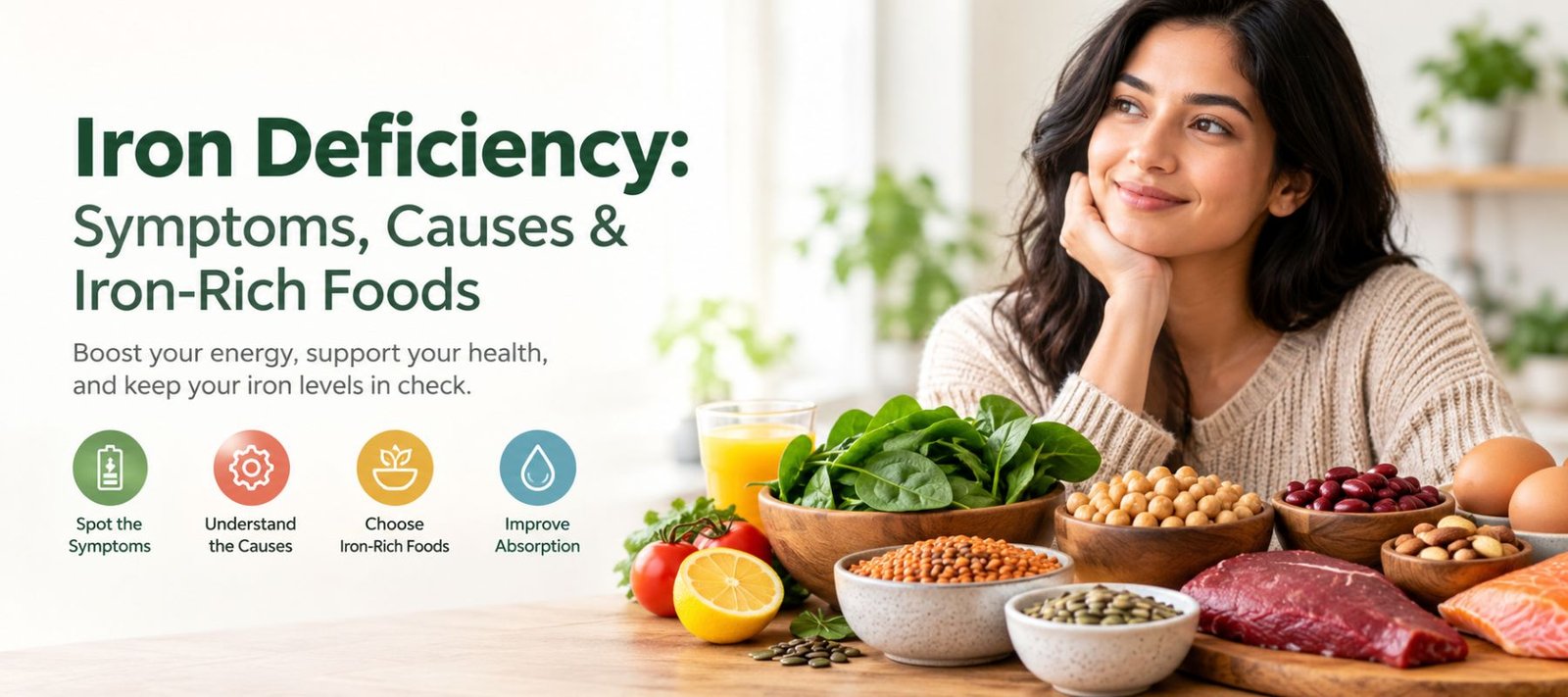
Do you often feel tired, low on energy, or unusually weak throughout the day? While these symptoms can have several causes, they may sometimes be linked to low iron levels. Iron is an essential mineral that helps your body produce hemoglobin, the protein in red blood cells responsible for transporting oxygen throughout the body.
When your iron intake or iron stores are insufficient, your body may struggle to produce enough healthy red blood cells. Understanding the early signs of iron deficiency and making informed dietary choices can help you support your overall well-being.
What Happens When Your Body Lacks Iron?
Iron supports several important functions, including oxygen transport, energy metabolism, and normal cellular activity. When the body does not have enough iron, iron stores may gradually decrease. If the deficiency becomes severe enough to reduce hemoglobin levels, it can lead to iron deficiency anemia.
This condition can affect people of different ages and lifestyles. Identifying the underlying cause is an important step toward managing it effectively.
6 Warning Signs of Low Iron Levels
Iron deficiency does not always cause noticeable symptoms in its early stages. However, as it progresses, some people may experience the following signs.
1. Persistent Tiredness
Feeling exhausted even after adequate rest can be associated with iron deficiency. Reduced oxygen delivery to body tissues may contribute to low energy and weakness, particularly when anemia develops.
2. Pale-Looking Skin
Skin that appears paler than usual may be a sign of anemia. Changes can sometimes be noticeable around the inner eyelids, gums, or nail beds, although appearance alone cannot establish a diagnosis.
3. Breathlessness During Everyday Activities
If routine activities such as walking or climbing stairs leave you unusually breathless, low iron levels may be one possible explanation.
4. Frequent Headaches or Lightheadedness
Some individuals with iron deficiency anemia experience headaches, dizziness, or difficulty concentrating.
5. Changes in Hair and Nails
Brittle nails and increased hair shedding may occur in people with low iron levels. These changes can also result from other nutritional deficiencies or health conditions.
6. Cold Hands and Feet
Feeling colder than usual, especially in the hands and feet, can sometimes accompany anemia.
If these symptoms persist, consult a healthcare professional for an appropriate assessment and testing.
Why Do Iron Levels Become Low?
Iron deficiency can develop for several reasons, and identifying the cause is essential for effective treatment.
- Low dietary iron intake: Consistently eating too few iron-rich foods can make it difficult to meet the body’s needs.
- Heavy menstrual periods: Regular blood loss can reduce iron stores over time.
- Pregnancy: The body’s iron requirements increase during pregnancy.
- Reduced iron absorption: Conditions affecting the digestive system may interfere with iron absorption.
- Ongoing blood loss: Gastrointestinal bleeding and other sources of blood loss can contribute to deficiency.
- Growth and development: Children and teenagers may need more iron during periods of rapid growth.
A healthcare professional can help determine whether dietary intake, blood loss, absorption problems, or another factor is responsible.
Iron-Rich Foods to Include in Your Diet
Choosing a variety of iron-containing foods is an important part of maintaining adequate iron intake. Both plant-based and animal-based foods can contribute to your daily requirements.
Leafy Green Vegetables
Spinach and other leafy greens provide plant-based iron, along with vitamins and other essential nutrients. Add them to dals, vegetable dishes, soups, or salads.
Lentils, Beans, and Chickpeas
Lentils, kidney beans, chickpeas, and other legumes are useful sources of iron, protein, and fiber. They can be included regularly in a balanced diet.
Seeds and Nuts
Pumpkin seeds, sesame seeds, and selected nuts can contribute iron and other beneficial nutrients. Enjoy them as part of meals or snacks.
Whole Grains and Fortified Foods
Some grains and fortified breakfast cereals provide additional iron. Check nutritional labels to compare their iron content.
Meat, Fish, and Seafood
Meat and seafood provide heme iron, which is generally absorbed more efficiently than the non-heme iron found in plant foods.
Choosing foods according to your dietary preferences can help you build a balanced and varied eating pattern.
Simple Ways to Improve Iron Absorption
The amount of iron you eat is important, but the body does not absorb all forms of iron equally. A few practical dietary habits can help improve absorption.
Combine Iron With Vitamin C
Vitamin C enhances the absorption of non-heme iron from plant foods.
Try these combinations:
- Lentils with tomatoes and lemon juice
- Chickpeas with bell peppers
- Spinach with a squeeze of lemon
- Iron-fortified cereal with oranges or strawberries
Time Your Tea and Coffee
Tea and coffee contain compounds that can reduce non-heme iron absorption when consumed with meals. Consider having them between meals if you are working to improve your iron intake.
Eat a Variety of Nutrient-Rich Foods
Include legumes, vegetables, seeds, whole grains, and suitable protein sources throughout the week. A varied diet helps provide a broader range of nutrients.
Are Iron Supplements Necessary?
Iron supplements may be prescribed when testing confirms iron deficiency or when a healthcare professional identifies a clear need for supplementation.
However, taking iron without guidance is not recommended. Supplements can cause side effects such as nausea, constipation, and abdominal discomfort, while excessive iron intake can be harmful.
The correct dose and treatment duration depend on your iron levels, symptoms, and the cause of the deficiency. Dietary changes may support treatment, but they are not always enough to correct an established deficiency.
Who Should Pay Extra Attention to Iron Intake?
Certain groups have a greater likelihood of developing iron deficiency, including:
- People with heavy menstrual bleeding
- Pregnant individuals
- Infants, children, and teenagers
- People who consume diets low in iron
- Individuals with digestive conditions that affect absorption
- People experiencing ongoing blood loss
Those in higher-risk groups should discuss their nutritional requirements and the need for screening with a healthcare professional.
When Should You Consult a Doctor?
Persistent fatigue, dizziness, unusual weakness, breathlessness, or other concerning symptoms should not be ignored. A healthcare professional may recommend a complete blood count, a ferritin test to assess iron stores, and additional investigations based on your medical history.
If iron deficiency is confirmed, treatment should address both the low iron levels and their underlying cause.
Seek urgent medical attention for severe breathlessness, chest pain, fainting, or significant bleeding.
Conclusion
Maintaining healthy iron levels is important for energy, oxygen transport, and overall health. Recognizing possible warning signs, eating a variety of iron-rich foods, and combining plant-based iron sources with vitamin C can help support good nutritional habits.