


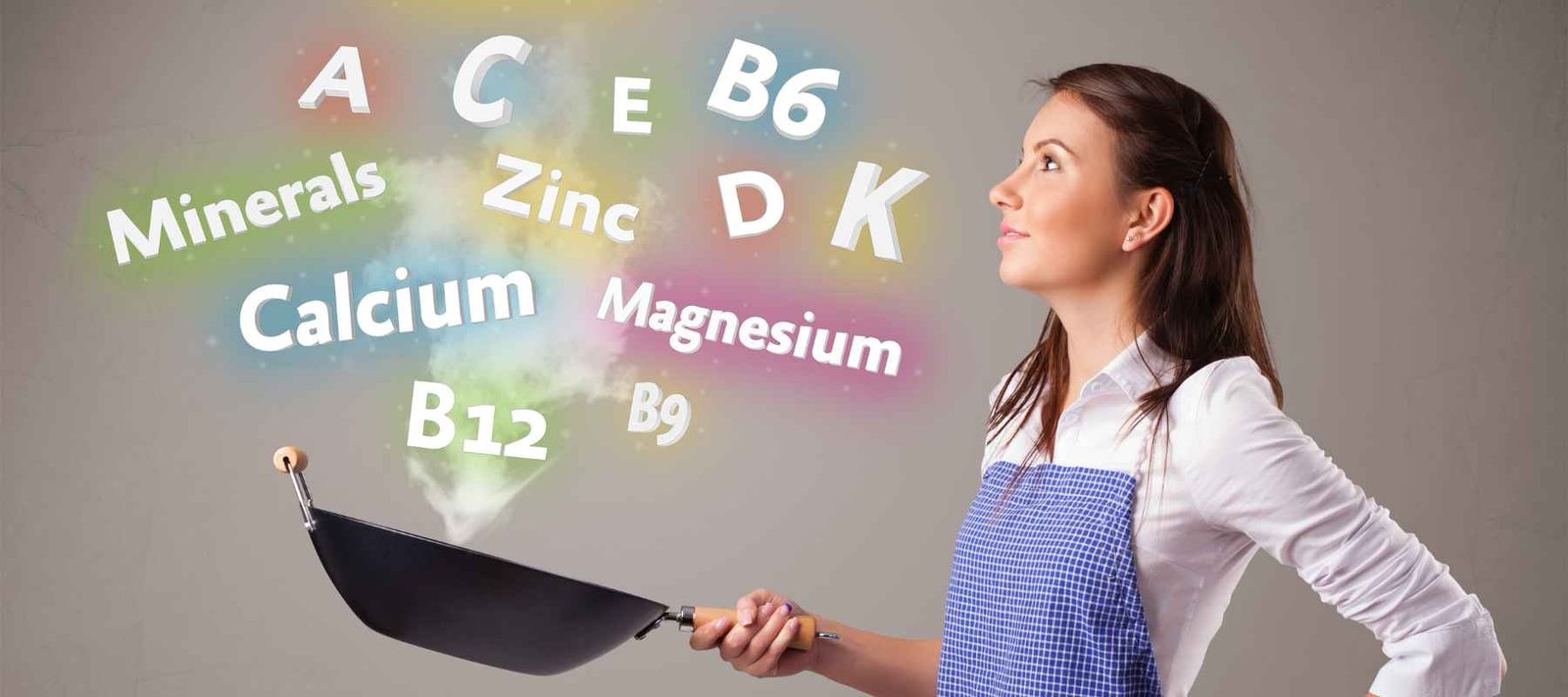
Your body needs a wide range of nutrients to stay healthy and function properly. Among the most important are vitamins and minerals. Although your body requires them in much smaller amounts than protein, carbohydrates, and fats, they support many essential processes—from energy metabolism and immunity to bone strength, muscle function, and healthy cells.
Getting enough micronutrients starts with eating a varied and balanced diet. Let’s look at some of the most important vitamins and minerals, what they do, and the foods that can help provide them.
What Are Vitamins and Minerals?
Vitamins and minerals are commonly known as micronutrients because the body needs them in relatively small quantities.
Vitamins are organic compounds that help regulate numerous functions within the body. They are generally divided into two categories:
- Fat-soluble vitamins: A, D, E, and K
- Water-soluble vitamins: Vitamin C and the B-vitamin group
Minerals are naturally occurring elements that are essential for processes such as maintaining bones, producing blood cells, supporting nerves, and regulating fluid balance.
Important minerals include calcium, iron, magnesium, zinc, potassium, and selenium.
Important Vitamins for Everyday Health
Vitamin A: Supports Vision and Immunity
Vitamin A plays an important role in maintaining normal vision, supporting immune defenses, and keeping skin and other tissues healthy.
Good sources include:
- Carrots
- Sweet potatoes
- Pumpkin
- Spinach
- Eggs
- Dairy products
Many colorful vegetables contain beta-carotene, which the body can convert into vitamin A.
B Vitamins: Important for Energy and Metabolism
The B-vitamin family includes several nutrients, such as B1, B2, B3, B5, B6, B7, B9, and B12. Together, they are involved in energy metabolism, red blood cell production, and normal nervous-system function.
You can find B vitamins in foods such as:
- Whole grains
- Eggs
- Dairy products
- Beans and lentils
- Nuts and seeds
- Meat and fish
- Green vegetables
Vitamin B12 is naturally concentrated in animal-derived foods, while fortified foods can be useful sources for people following vegetarian or vegan diets.
Vitamin C: An Important Antioxidant
Vitamin C is well known for its antioxidant properties. It supports normal immune function, contributes to collagen production, and helps the body absorb iron from plant-based foods.
Foods rich in vitamin C include:
- Guava
- Oranges
- Kiwi
- Strawberries
- Bell peppers
- Tomatoes
- Broccoli
Because vitamin C is water-soluble, including fruits and vegetables regularly in your diet is a practical way to obtain it.
Vitamin D: Supports Bones and Muscles
Vitamin D helps the body absorb calcium and plays an important role in maintaining healthy bones and normal muscle function.
Sources include:
- Fatty fish
- Egg yolks
- Fortified milk
- Fortified plant-based beverages
- Sunlight exposure
How much vitamin D a person needs can vary based on factors such as age, diet, lifestyle, and exposure to sunlight.
Vitamin E: Helps Protect Cells
Vitamin E functions as an antioxidant and helps protect cells from oxidative damage.
Good dietary sources include:
- Almonds
- Sunflower seeds
- Peanuts
- Avocados
- Spinach
- Vegetable oils
Including a variety of nuts, seeds, vegetables, and healthy oils can help contribute to your daily vitamin E intake.
Vitamin K: Important for Blood and Bone Health
Vitamin K contributes to normal blood clotting and also plays a role in maintaining healthy bones.
Common food sources include:
- Spinach
- Kale
- Broccoli
- Cabbage
- Other leafy green vegetables
Essential Minerals Your Body Needs
Calcium: The Mineral Behind Strong Bones
Calcium is one of the body’s most abundant minerals. It helps maintain healthy bones and teeth while also supporting normal muscle contraction and nerve function.
Foods that provide calcium include:
- Milk
- Yogurt
- Cheese
- Tofu
- Sardines
- Leafy greens
- Calcium-fortified foods
Iron: Essential for Oxygen Transport
Iron is needed to make hemoglobin, a protein in red blood cells responsible for transporting oxygen throughout the body.
Iron can be found in:
- Lentils
- Beans
- Spinach
- Meat
- Seafood
- Fortified cereals
- Pumpkin seeds
When eating plant-based sources of iron, combining them with foods containing vitamin C may help improve the absorption of non-heme iron.
Magnesium: Supports Muscles, Nerves, and Energy
Magnesium is involved in hundreds of biochemical reactions throughout the body. It contributes to normal muscle and nerve function, energy metabolism, and bone health.
Good sources include:
- Almonds
- Cashews
- Pumpkin seeds
- Whole grains
- Beans
- Spinach
- Dark chocolate
Zinc: Supports Immune Function
Zinc is involved in immune function, wound healing, DNA synthesis, and numerous metabolic processes.
Foods containing zinc include:
- Meat
- Shellfish
- Dairy products
- Beans
- Nuts
- Seeds
- Whole grains
Potassium: Helps Maintain Fluid Balance
Potassium is an essential electrolyte that helps regulate fluid balance and supports normal nerve and muscle function.
Some potassium-rich foods include:
- Bananas
- Potatoes
- Beans
- Tomatoes
- Spinach
- Avocados
- Yogurt
Selenium: Needed in Small Amounts
Selenium is a trace mineral that contributes to antioxidant protection and normal thyroid function.
Dietary sources include:
- Fish
- Eggs
- Meat
- Dairy products
- Whole grains
- Nuts
How Can You Get More Vitamins and Minerals From Your Diet?
One of the easiest ways to improve micronutrient intake is to eat a wide variety of nutrient-rich foods.
Rather than relying on one particular food, aim to include different food groups throughout your day.
A balanced meal can contain:
- Fruits and vegetables for vitamins, minerals, antioxidants, and fiber
- Whole grains for B vitamins and minerals
- Protein-rich foods such as eggs, beans, fish, dairy, or lean meats
- Nuts and seeds for minerals and healthy fats
- Dairy or fortified alternatives for nutrients such as calcium and vitamin D
Eating different foods throughout the week gives your body access to a broader range of essential nutrients.
Do You Always Need Vitamin and Mineral Supplements?
Not necessarily. Many people can meet their nutritional requirements through a varied and balanced diet.
However, nutritional needs are not identical for everyone. Age, lifestyle, dietary restrictions, pregnancy, certain health conditions, and confirmed nutrient deficiencies can affect individual requirements.
If you think you may have a nutrient deficiency or are considering taking a supplement, speaking with a qualified healthcare professional or registered dietitian can help you determine what is appropriate for your situation.
It’s also important to remember that more isn’t always better. Taking excessive amounts of certain vitamins and minerals, particularly through high-dose supplements, can be harmful.
Simple Ways to Improve Your Micronutrient Intake
You don’t need to completely change your diet to make better nutritional choices. Small, consistent habits can help.
Try to:
- Add different-colored vegetables to your meals.
- Include fruit as a snack or part of breakfast.
- Choose whole grains more often.
- Add nuts or seeds to meals when appropriate.
- Include a variety of protein sources.
- Eat leafy green vegetables regularly.
- Choose fortified foods when they fit your dietary needs.
- Keep your overall diet varied rather than relying heavily on one food.