


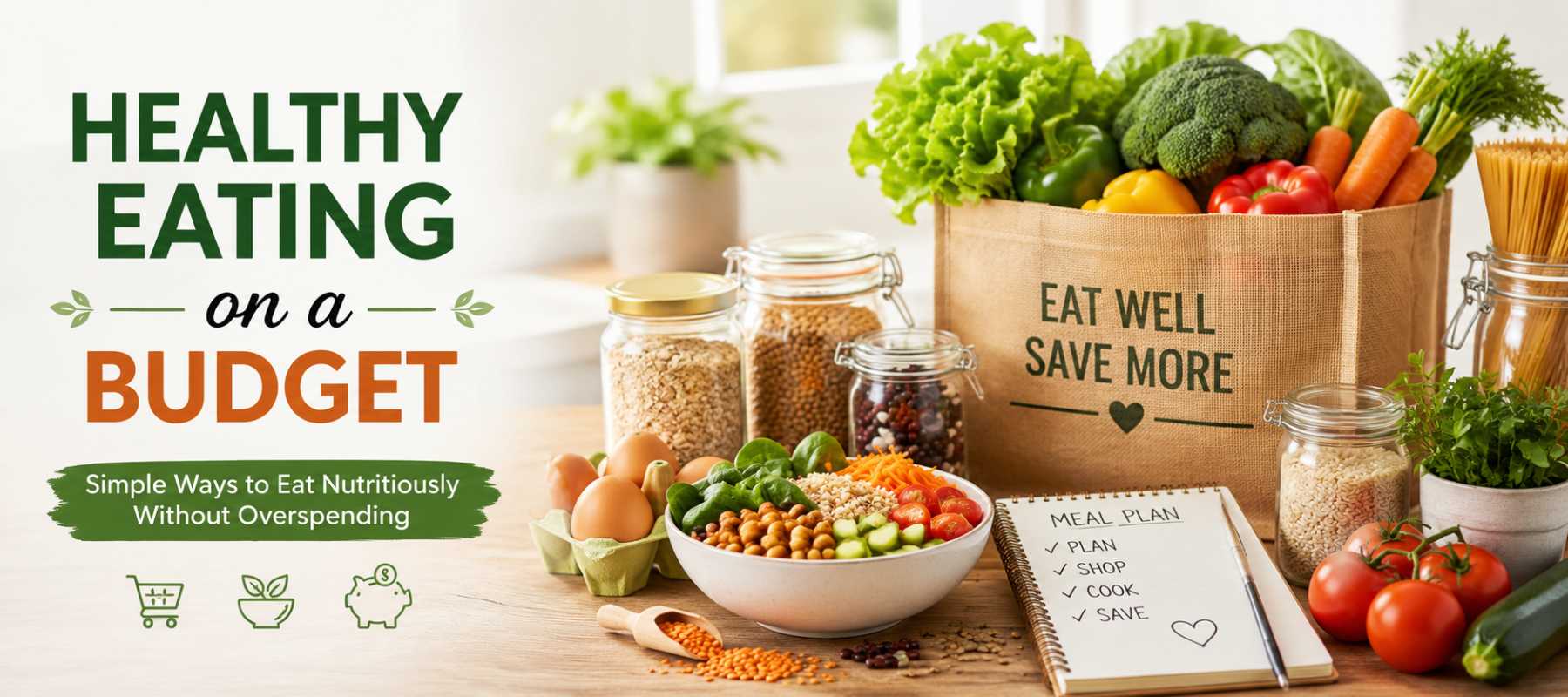
Many people believe that eating healthy requires a large grocery budget, but that’s not necessarily true. With thoughtful planning and smart food choices, it’s possible to maintain a nutritious diet without spending a fortune. While specialty products and trendy health foods can be expensive, plenty of affordable staples offer excellent nutritional value and can support a healthy lifestyle.
Why Healthy Eating Often Seems Costly
Healthy eating is frequently associated with organic produce, exotic superfoods, and premium wellness products. Although these items may have benefits, they are not essential for building a balanced diet. In reality, many everyday foods that provide essential nutrients are both accessible and budget-friendly.
The secret is to prioritize nutrient-rich foods rather than focusing on expensive labels or marketing claims.
Plan Your Meals Before Shopping
One of the most effective ways to cut food costs is to plan meals in advance. A weekly meal plan helps you shop with purpose, avoid impulse purchases, and reduce food waste.
Before heading to the store:
- Check what ingredients you already have at home
- Create a grocery list based on planned meals
- Purchase only the items you truly need
- Find creative ways to use leftovers
A little preparation can go a long way in keeping your grocery bill under control while ensuring you have nutritious meals throughout the week.
Choose Affordable Foods Packed with Nutrition
Many low-cost foods provide a wealth of nutrients and can serve as the foundation of healthy meals.
| Food | Key Nutritional Benefits |
|---|---|
| Lentils and beans | Rich in protein, fiber, and iron |
| Eggs | Excellent source of high-quality protein and vitamins |
| Oats | High in fiber and complex carbohydrates |
| Brown rice | Provides energy, fiber, and essential minerals |
| Seasonal vegetables | Packed with vitamins and antioxidants |
| Bananas | Good source of potassium and fiber |
| Peanut butter | Contains healthy fats and protein |
| Yogurt | Offers protein and beneficial probiotics |
These versatile staples can be combined in countless ways to create nourishing meals at a reasonable cost.
Take Advantage of Seasonal Produce
Buying fruits and vegetables when they are in season is one of the easiest ways to save money. Seasonal produce is often fresher, tastier, and more affordable because it is readily available and requires fewer resources to transport and store.
Local markets and farmers’ markets can also be excellent places to find fresh produce at competitive prices.
Don’t Overlook Frozen Fruits and Vegetables
Frozen produce is a convenient and budget-friendly alternative to fresh options. Because fruits and vegetables are typically frozen soon after harvest, they retain much of their nutritional value while offering a longer shelf life.
Frozen vegetables work particularly well in soups, curries, stir-fries, pasta dishes, and casseroles, helping reduce waste and stretch your food budget further.
Prepare More Meals at Home
Dining out and ordering food regularly can quickly add up. Cooking at home allows you to manage ingredient quality, portion sizes, and overall costs while making healthier choices.
Simple, affordable meal ideas include:
- Vegetable stir-fry with rice
- Hearty lentil soup
- Egg and vegetable wraps
- Oatmeal topped with fruit
- Bean-based curries and stews
These meals are nutritious, satisfying, and significantly more economical than many restaurant alternatives.
Minimize Food Waste
Food waste can quietly increase household expenses. Making the most of the food you buy helps both your budget and the environment.
To reduce waste:
- Store ingredients properly
- Freeze extra portions and leftovers
- Use perishable foods before they spoil
- Transform leftovers into new meals
- Organize pantry items so older products are used first
Small improvements in food management can lead to substantial savings over time.
Buy in Bulk When Appropriate
Purchasing staple foods in larger quantities can often reduce the cost per serving. Items such as rice, oats, lentils, beans, and certain nuts are usually more economical when bought in bulk.
However, it’s important to purchase only what you can use and store safely to avoid unnecessary waste.
Prioritize Whole Foods
Whole foods generally provide better nutritional value and are often more cost-effective than heavily processed convenience foods. Foods such as whole grains, legumes, fruits, vegetables, eggs, and dairy products deliver essential nutrients without the premium price tag often associated with packaged snacks and ready-made meals.
A Simple Budget-Friendly Meal Plan
Breakfast: Oatmeal topped with banana slices and peanut butter
Lunch: Lentil curry served with brown rice and seasonal vegetables
Snack: Yogurt with fresh fruit
Dinner: Vegetable omelet with whole-grain toast and a side salad
This simple menu provides a balanced mix of protein, fiber, vitamins, minerals, and healthy fats while remaining affordable and easy to prepare.