


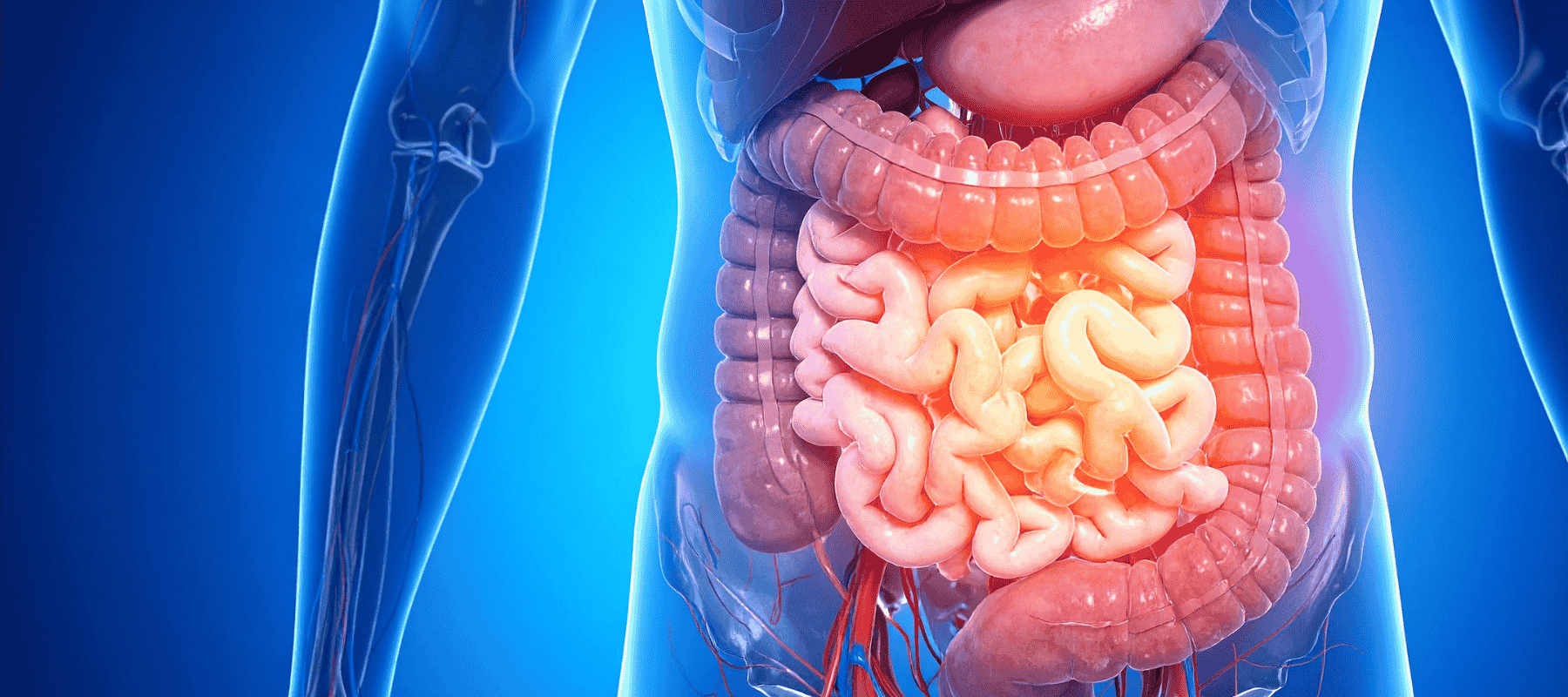
Gut health has quickly become a major focus in the world of wellness—and rightly so. Your gut does far more than just digest food; it plays a key role in your immunity, mental well-being, and overall health. However, with so much information available, it’s easy to get confused by common misconceptions. Let’s separate fact from fiction.
Myth 1: All Bacteria Are Harmful
Fact: Many bacteria are actually beneficial and necessary.
Your gut contains trillions of microorganisms, known as the gut microbiome. These beneficial bacteria aid digestion, help produce essential nutrients, and defend your body against harmful microbes. Trying to eliminate all bacteria would do more harm than good.
Myth 2: Probiotics Deliver Immediate Results
Fact: Improving gut health is a gradual process.
Probiotics can be helpful, but they don’t work overnight. Long-term consistency in your diet and lifestyle is far more important than expecting quick results from short-term use.
Myth 3: Gut Health Is Only About Digestion
Fact: The gut impacts multiple systems in your body.
Your gut influences much more than digestion. It is closely connected to your immune response, skin condition, mood, and brain function. An unhealthy gut can contribute to issues like low energy, stress, and discomfort.
Myth 4: Fermented Foods Alone Are Sufficient
Fact: Diversity in your diet matters most.
While fermented foods such as yogurt, kefir, and pickles are helpful, relying solely on them isn’t enough. A well-rounded diet that includes fiber-rich fruits, vegetables, and whole foods supports a more diverse and healthy microbiome.
Myth 5: Bloating Always Signals a Problem
Fact: Occasional bloating is completely normal.
Bloating can result from simple factors like eating quickly, certain foods, or temporary digestive shifts. While persistent bloating may need attention, occasional discomfort is not necessarily a sign of poor gut health.
Myth 6: Eliminating Foods Is the Best Fix
Fact: Too many restrictions can be counterproductive.
Cutting out a wide range of foods can reduce the diversity of beneficial gut bacteria. Instead of eliminating everything, it’s better to identify specific triggers and maintain a balanced, varied diet.
How to Improve Your Gut Health
- Include fiber-rich foods like fruits, vegetables, and whole grains
- Stay well-hydrated
- Manage stress effectively
- Prioritize quality sleep
- Eat a wide variety of whole foods