


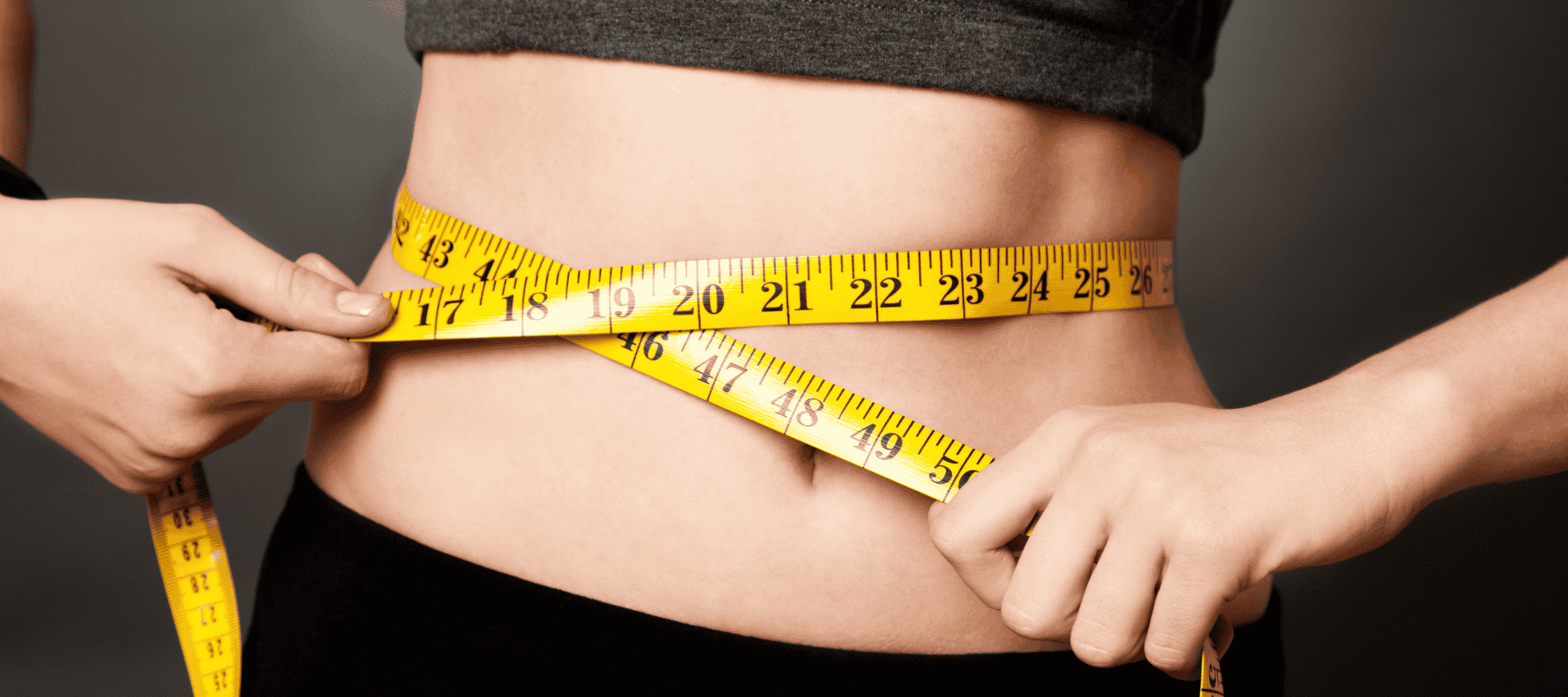
Fat loss is a common goal for many people who want to improve their fitness, health, and overall appearance. However, losing fat is not the same as simply losing weight. True fat loss focuses on reducing body fat while maintaining muscle mass and keeping the body healthy.
This guide explains how fat loss works, the best strategies to support it, and common mistakes people should avoid.
Understanding Fat Loss
Fat loss is the process of decreasing stored body fat in the body. This happens when the body uses more energy than it receives from food. When there is a shortage of calories, the body begins to break down stored fat to use as fuel.
Unlike crash diets that may cause water or muscle loss, effective fat loss focuses on burning fat while protecting lean muscle tissue.
How the Body Burns Fat
The body stores extra calories as fat. When calorie intake becomes lower than the number of calories burned, the body turns to these fat stores for energy.
Several factors play an important role in this process:
Nutrition
A well-balanced diet with sufficient protein, healthy fats, and complex carbohydrates supports metabolism and helps control hunger.
Physical Activity
Exercise increases calorie expenditure and helps maintain muscle, which is important for efficient fat burning.
Metabolic Rate
Metabolism determines how quickly the body uses energy. Factors such as muscle mass, age, activity level, and genetics influence metabolic rate.
Foods That Support Fat Loss
Eating nutrient-dense foods can make fat loss easier and more sustainable. These foods help control hunger while providing essential nutrients.
Good choices include:
- Lean protein sources like chicken, fish, eggs, and plant-based proteins
- Whole grains such as oats, quinoa, and brown rice
- Fruits and vegetables that are high in fiber
- Healthy fats from nuts, seeds, and avocados
- Fiber-rich foods that support digestion and fullness
Protein is especially important because it helps preserve muscle mass and keeps you feeling satisfied for longer.
Importance of Exercise for Fat Loss
Exercise plays a key role in improving body composition and increasing calorie burn.
Strength Training
Resistance training helps build muscle. More muscle can increase metabolic rate, allowing the body to burn more calories even while resting.
Cardio Workouts
Activities such as jogging, cycling, swimming, and brisk walking help burn calories and improve heart health.
High-Intensity Interval Training (HIIT)
HIIT involves short periods of intense exercise followed by recovery periods. It is a highly efficient way to burn fat and improve fitness.
Lifestyle Habits That Support Fat Loss
Daily habits have a major influence on fat loss progress.
Quality Sleep
Getting enough sleep helps regulate hormones related to hunger and metabolism.
Stress Management
High stress levels can increase cortisol, which may promote fat storage.
Proper Hydration
Drinking enough water supports metabolism and can help reduce unnecessary snacking.
Consistency
Maintaining healthy habits over time is essential for lasting fat loss.
Common Mistakes During Fat Loss
Some common mistakes that slow down fat loss include:
- Following extremely restrictive diets
- Skipping strength training
- Expecting quick results
- Consuming too few calories
- Neglecting rest and recovery
Sustainable progress requires patience and balanced habits.
How Long Does Fat Loss Usually Take?
A healthy rate of fat loss is typically around 0.5 to 1 kilogram per week. Gradual progress allows the body to adapt while preserving muscle and maintaining energy levels.
Rapid weight loss methods often lead to temporary results and can negatively affect metabolism.
Final Thoughts
Fat loss is a gradual process that requires consistency and a balanced approach. By focusing on proper nutrition, regular exercise, adequate sleep, and healthy lifestyle habits, it is possible to reduce body fat and maintain long-term health.