


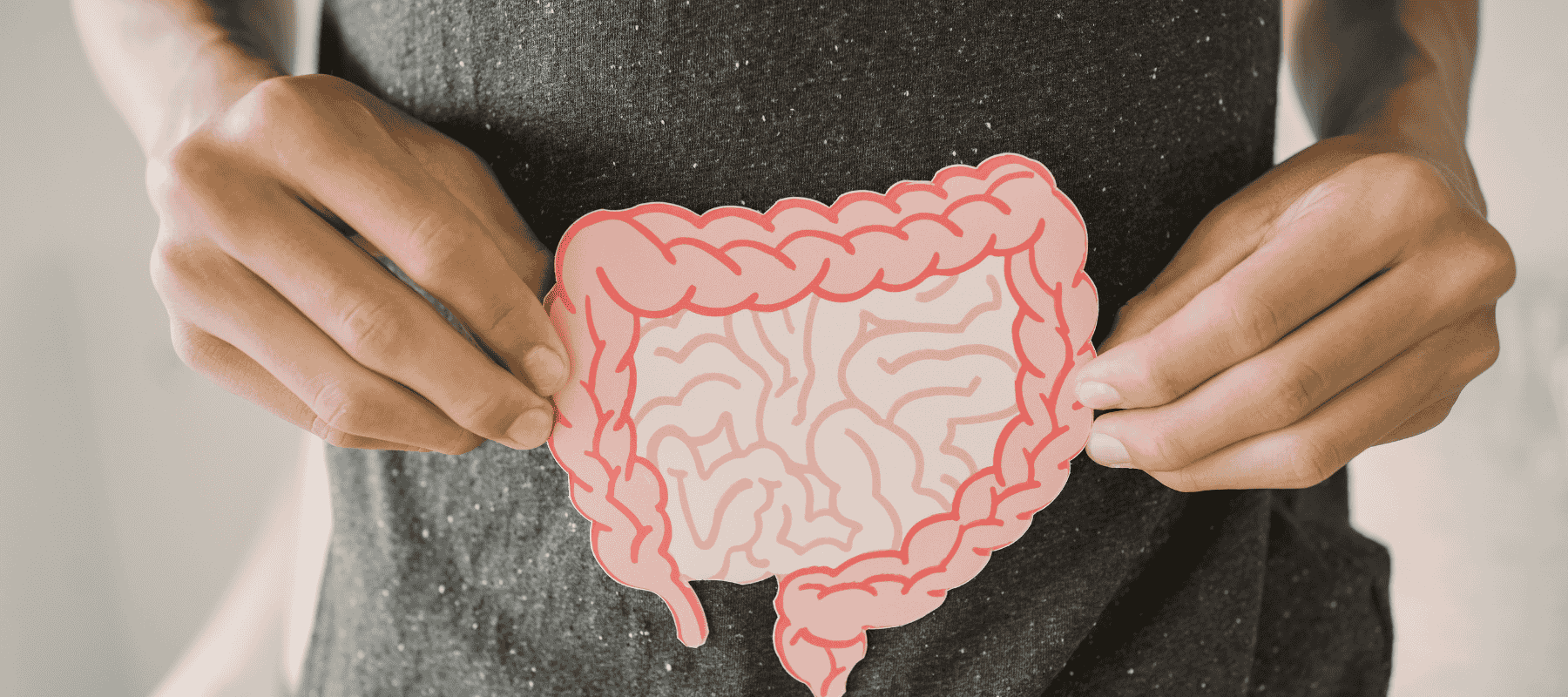
Good health starts from within, and at the center of it all is the gut. While many people focus on external health goals, the digestive system quietly influences nearly every function in the body. From immunity and digestion to mood and energy levels, gut health is a key pillar of overall wellness.
Understanding Gut Health
Gut health describes how well the digestive system functions and how balanced the microorganisms inside it are. These microorganisms—known as the gut microbiota—play a major role in breaking down food, absorbing nutrients, and protecting the body from harmful bacteria.
A well-functioning gut typically includes:
- A wide variety of beneficial bacteria
- Smooth digestion and regular bowel movements
- Low levels of inflammation
- A strong intestinal lining
The Importance of a Healthy Gut
Better Digestion
A balanced gut helps the body digest food efficiently, reducing common issues like bloating, gas, acidity, and irregular digestion.
Enhanced Immune Function
A large portion of the immune system is connected to the gut. Healthy gut bacteria support the body’s defense system and help reduce the risk of infections and inflammation.
Improved Mental Health
The gut communicates directly with the brain. When gut health is compromised, it may affect mood, stress levels, and mental clarity.
Supports Metabolism and Weight Balance
Gut bacteria influence how nutrients and calories are processed. A healthy microbiome helps regulate metabolism and supports healthy weight management.
Skin and Hormonal Balance
Digestive health is closely linked to skin conditions and hormonal stability. Poor gut function may show up as acne, dull skin, or hormonal disturbances.
Common Signs of Poor Gut Health
- Frequent digestive discomfort
- Constipation or loose stools
- Sensitivity to certain foods
- Persistent fatigue
- Difficulty concentrating
- Recurring skin issues
- Weakened immunity
These signs are often early indicators that the gut needs attention.
Foods That Nourish the Gut
Probiotic Foods
These foods introduce beneficial bacteria into the gut:
- Yogurt with live cultures
- Fermented dairy products
- Naturally fermented vegetables
Prebiotic Foods
Prebiotics serve as fuel for good bacteria:
- Garlic and onions
- Bananas
- Whole grains
- Oats
High-Fiber Foods
Fiber promotes healthy digestion and microbial diversity:
- Fruits and vegetables
- Legumes
- Seeds and whole grains
Anti-Inflammatory Choices
- Ginger and turmeric
- Herbal teas
- Healthy fats
Lifestyle Habits for a Healthy Gut
- Eat slowly and avoid overeating
- Drink enough water throughout the day
- Manage stress through relaxation and movement
- Maintain consistent sleep patterns
- Reduce intake of processed and sugary foods
Supporting Gut Health with Supplements
Modern lifestyles often make it difficult to meet all nutritional needs through food alone. Digestive and gut-support supplements can help maintain balance, especially during periods of stress, travel, or dietary imbalance. Choosing high-quality formulations ensures better absorption and effectiveness.
Conclusion
Gut health is the foundation of long-term wellness. By supporting the digestive system with the right foods, habits, and mindful care, the body can function more efficiently and feel more energized. A healthy gut supports not just digestion—but the entire body and mind.