


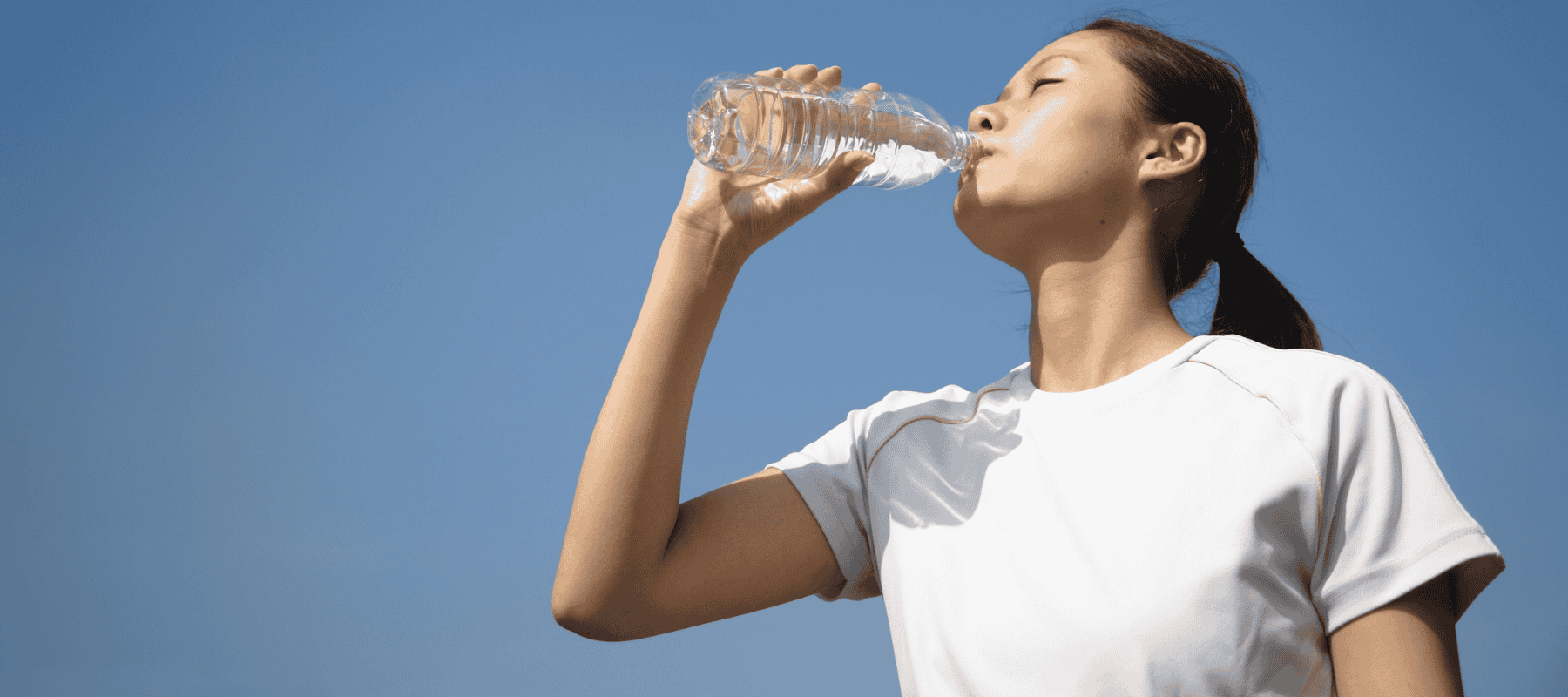
Water is one of the most basic nutrients, yet it is often underestimated when it comes to health and wellness. While many people focus on diet trends, supplements, or fitness routines, proper hydration quietly supports nearly every function in the body. Understanding how water works at a biological level reveals why staying hydrated is essential for both physical and mental health.
The Body’s Dependence on Water
Roughly 60% of the human body is composed of water, making it a vital component of cells, tissues, and organs. Water helps the body function efficiently by:
- Delivering nutrients and oxygen to cells
- Regulating internal temperature
- Protecting joints and connective tissues
- Aiding digestion and nutrient absorption
- Removing waste through sweat and urine
When the body lacks sufficient water, these processes slow down, which can quickly affect overall performance and well-being.
Hydration and Mental Performance
Even mild dehydration can impact brain function. Research shows that losing as little as 1–2% of body water may reduce focus, memory, and alertness. This occurs because dehydration limits blood flow and oxygen delivery to the brain.
Common signs of inadequate hydration include:
- Headaches
- Difficulty concentrating
- Irritability
- Persistent tiredness
Maintaining proper fluid intake supports sharper thinking, stable mood, and sustained energy throughout the day.
Why Water Matters for Physical Activity
During movement and exercise, the body loses water through perspiration to prevent overheating. Without proper fluid replacement, dehydration can result in:
- Decreased endurance and strength
- Muscle cramps
- Faster exhaustion
- Higher risk of injury
Adequate hydration helps regulate body temperature, supports muscle contractions, and improves recovery after physical activity.
Water’s Role in Digestion and Metabolism
Water is essential for breaking down food and allowing nutrients to be absorbed efficiently. It also supports healthy bowel movements and waste elimination. Insufficient hydration may lead to:
- Digestive discomfort or constipation
- Slower metabolic function
- Reduced nutrient uptake
Drinking enough water can also help regulate appetite, as thirst is often mistaken for hunger.
How Much Water Does the Body Need?
Daily fluid needs vary depending on factors such as age, activity level, body composition, and climate. However, a general recommendation for most adults is:
- Around 2–3 liters of water per day
This total includes fluids from drinks and water-rich foods like fruits and vegetables. Increased activity or hot environments may require higher intake.
Signs of Dehydration to Watch For
The body provides clear signals when hydration levels drop. Common indicators include:
- Dark-colored urine
- Dry mouth or skin
- Dizziness or lightheadedness
- Low energy levels
- Reduced urination frequency
Light-colored urine is typically a sign of adequate hydration.
Easy Ways to Stay Hydrated
Building hydration into your daily routine doesn’t have to be difficult. Simple strategies include:
- Drinking water soon after waking up
- Keeping a water bottle nearby throughout the day
- Hydrating before, during, and after exercise
- Eating fruits and vegetables with high water content
- Setting reminders if you tend to forget
Conclusion
Hydration plays a foundational role in health, influencing everything from mental clarity to physical endurance and digestion. By understanding the science behind water’s importance, it becomes easier to recognize why consistent hydration is essential for long-term wellness.